
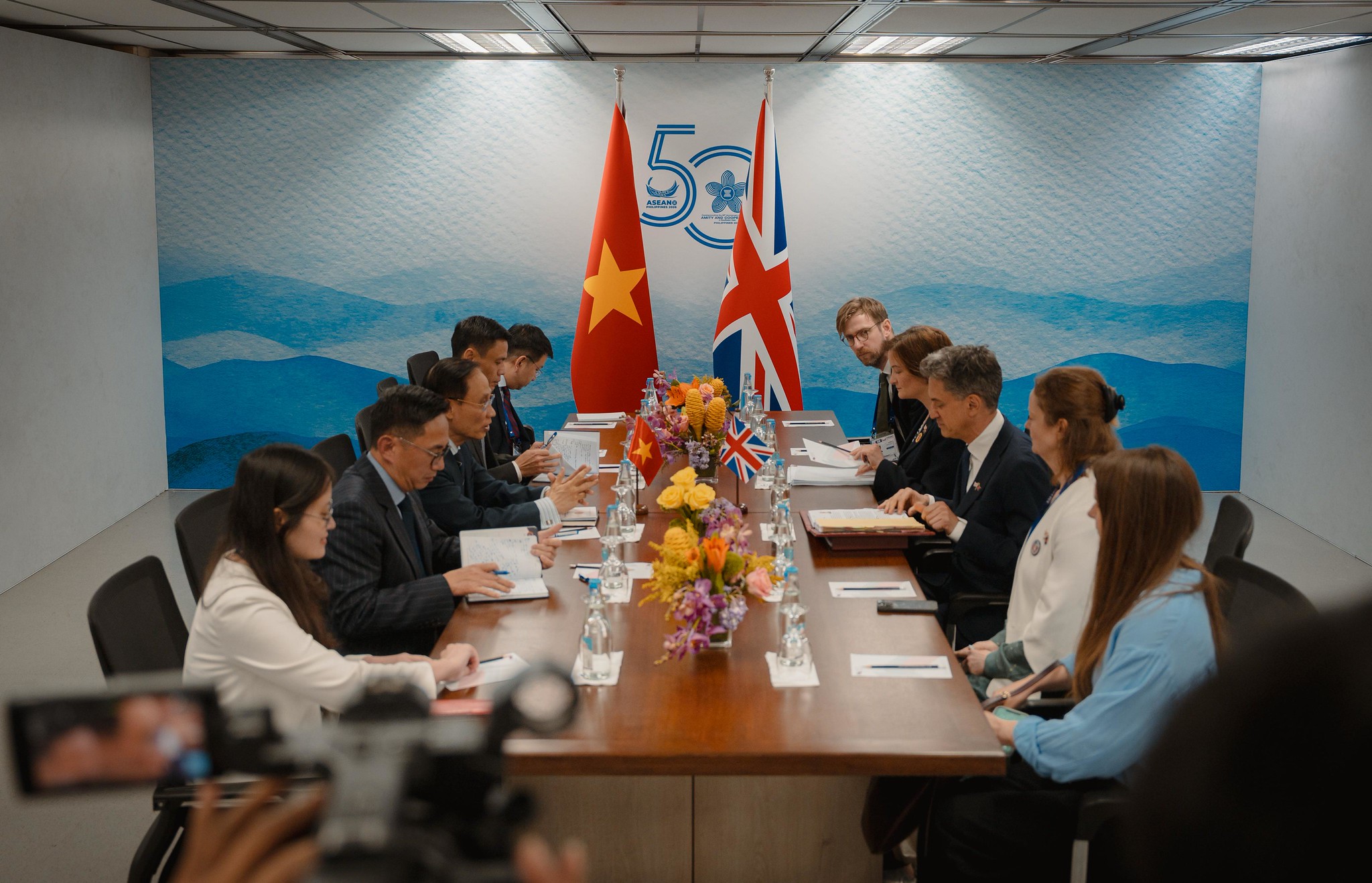
Britain’s post-Brexit return to Southeast Asia is being shaped less by colonial ties than by present-day strategic interests. Photo: Isaac Atkin-Mayne / Foreign, Commonwealth & Development Office (FCDO).
The deepest bilateral relationship Britain has built in Southeast Asia since leaving the European Union is with a country it never colonised. Malaysia, Singapore and Brunei were all British possessions. Vietnam was not, and Vietnam is where London has spent its diplomatic capital, elevating the relationship to a full Comprehensive Strategic Partnership in October 2025 while its former colonies received nothing comparable.
That inversion is the most revealing fact about Britain’s return to the region, and it is usually read the wrong way round: as a story about British strategic cleverness, a country shrewdly backing the rising power rather than coasting on imperial nostalgia. There is something to that. But the more useful reading runs in the other direction. Britain did not choose Vietnam so much as Vietnam or ASEAN more broadly, set the terms on which Britain could return at all. Southeast Asian states now sort external partners by what they offer today, not by what passports their grandparents carried. Britain arrives wanting something it cannot demand, and the region should treat it accordingly.
A relationship that was never really Britain’s
Britain’s entire relationship with ASEAN grew up inside its EU membership. The European Community became an ASEAN Dialogue Partner in 1977, and Britain, a member since 1973, sat inside that arrangement for its whole duration. The 2016 referendum meant Britain would lose its seat at the ASEAN table as a side effect of a decision that had nothing to do with Southeast Asia. Forty-three years of contact, all of it mediated through Brussels, ended in 2020.
This is a strange position for a former imperial power. Britain is not a new entrant competing on the same track as Australia or India. It is a legacy partner forced to restart from a formal blank slate, holding a long history in the region and almost no institutional standing.
The pattern is unforgiving. Australia has been a Dialogue Partner since 1974 and only reached Comprehensive Strategic Partner status in October 2021, a forty-seven-year climb. India became a full Dialogue Partner in 1995 and a Comprehensive Strategic Partner in 2022, twenty-seven years later. Britain has held Dialogue Partner status only since August 2021. Five years, nowhere near that higher tier, with no shortcut available.
ASEAN set the price of entry
It is worth dwelling on how Britain got even that far, because the usual telling gives London too much credit. ASEAN had maintained a twenty-five-year moratorium on new dialogue partners. The door was shut, and it was ASEAN that decided to open it. Britain did not negotiate its way in on the strength of its history; it was admitted, on ASEAN’s timetable, when it judged that doing so served its own interest in keeping as many external powers as possible invested in its institutions.
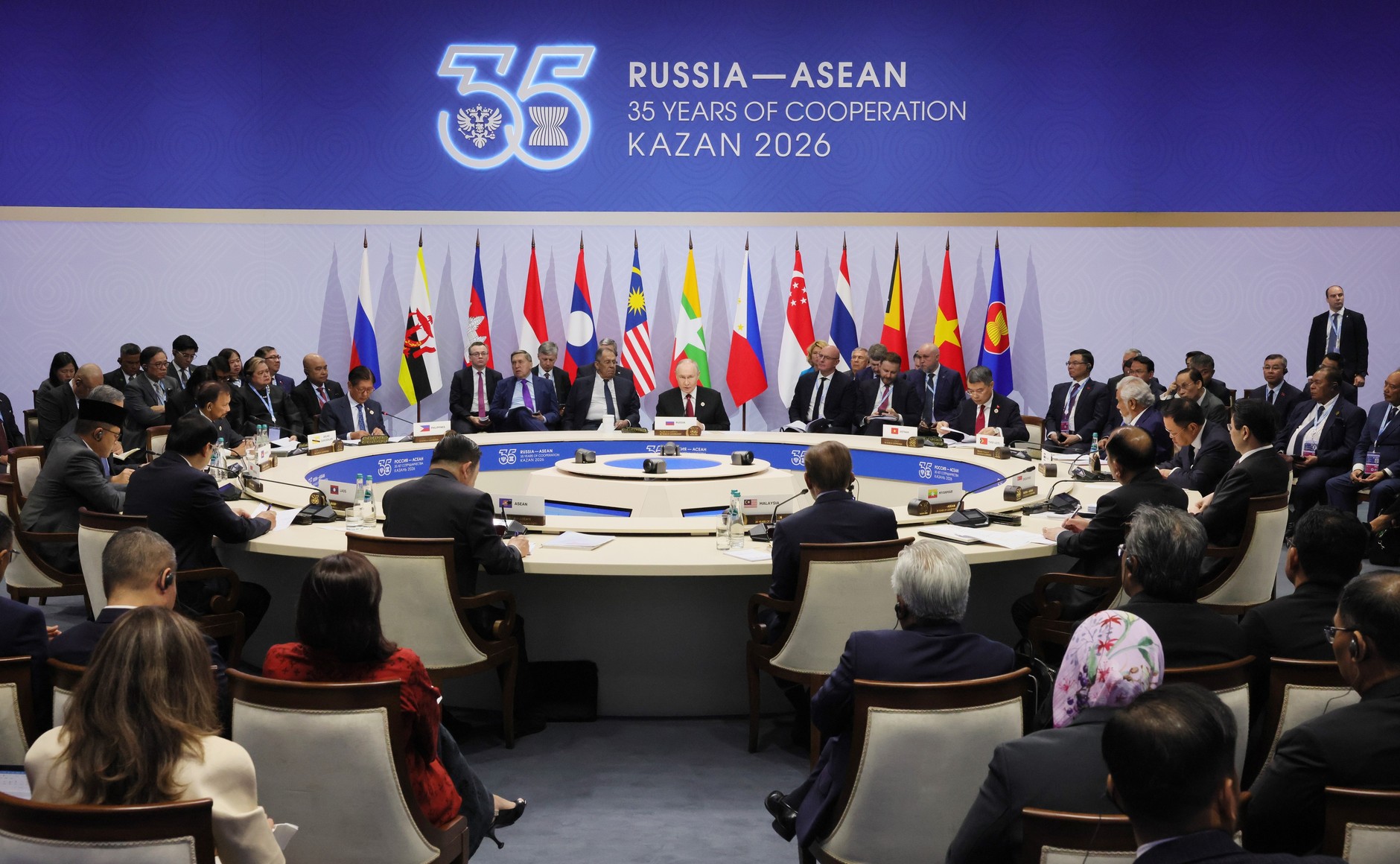
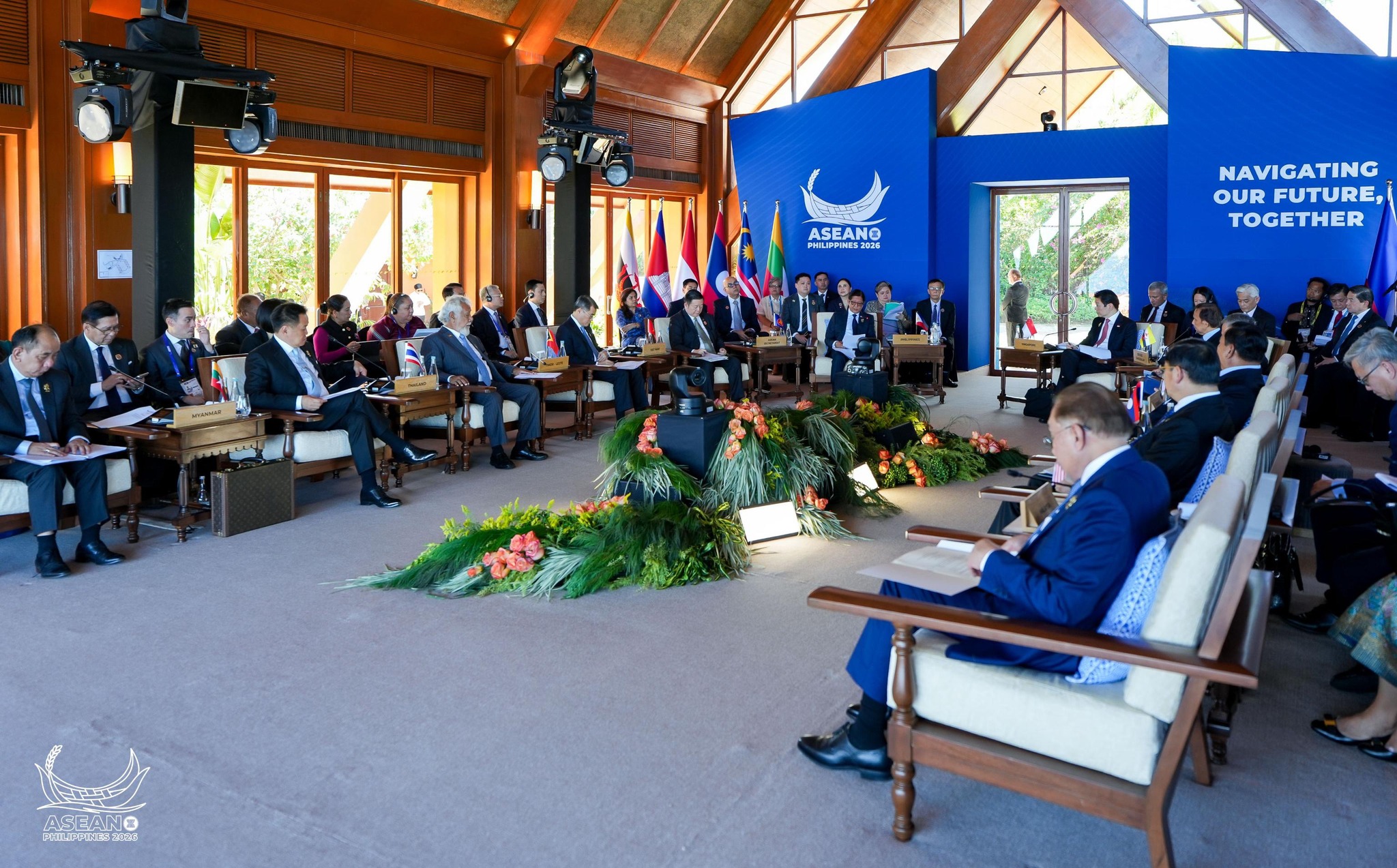
That is the gatekeeping power the region actually holds, and it is easy to undervalue from inside Southeast Asia precisely because it operates so quietly. ASEAN is frequently criticised, not always unfairly, as a producer of declarations rather than outcomes. But the convening function is real. When Manila hosted the ASEAN Foreign Ministers’ Meeting this July, the American, Chinese, Russian, Indian and European Union foreign policy chiefs all converged on it within the same three days. No other institution in the Indo-Pacific brings that room together. Access to it is something ASEAN controls and can withhold.
Britain’s domestic instability makes it an unusually weak counterparty in that negotiation. Andy Burnham is the country’s seventh prime minister since the 2016 referendum: Cameron, May, Johnson, Truss, Sunak, Starmer and now Burnham. It is difficult to build habits of trust while changing the person building them roughly every seventeen months, and Southeast Asian governments, several of which measure leadership continuity in decades, will have noticed.
Reading the Manila visit honestly.
Foreign Secretary Ed Miliband used his remarks in Manila to argue that five years had been “long enough… to build habits of cooperation, to establish trust, and to show that commitments made are commitments kept.” He pointed to work on the ASEAN Power Grid, cooperation against online scam syndicates and organised crime, health security and education. Manila was his first overseas stop as Foreign Secretary, barely forty-eight hours into the job.
British commentary has treated that as a signal of devotion. It is at least as plausibly a signal of need. A foreign secretary with a secure regional relationship does not need to spend his first forty-eight hours demonstrating that the relationship exists. And he arrived in a crowded room, not an empty one. He was one of the many external ministers seeking the same photograph, the same communiqué language, the same reassurance of continued relevance.
None of which makes the engagement hollow. The commercial trend is real: total UK-ASEAN trade in goods and services reached £62.1 billion in the year to the end of 2025, up 17.4 percent on the previous year, against £36.2 billion in the year to late 2021, a rise of roughly seventy percent over the period Britain has held Dialogue Partner status. That is genuine growth from a modest base.
Courting the cousins
What Britain is doing with its five years is not waiting for an invitation. Someone marrying into a large, established family does not begin with the parents. They win over the distant cousins first, the aunts, the in-laws once removed, and let goodwill accumulate until a seat at the head table looks inevitable rather than presumptuous.
Vietnam is the principal cousin. In the joint declaration, Hanoi committed explicitly to act as a bridge for UK-ASEAN cooperation and to support Britain’s deeper participation in regional and ASEAN-led mechanisms. Some of this is procedural: Vietnam holds the rotating role of ASEAN country coordinator for relations with the UK for 2024 to 2027. But coordination duties expire, and written commitments in a bilateral declaration outlast them. Hanoi chose to put in writing something the rotation did not require.
A second cousin is being courted in parallel. Britain’s accession to the Comprehensive and Progressive Agreement for Trans-Pacific Partnership, in force since December 2024, delivered its first-ever trade agreements with Malaysia and Brunei and made Britain the pact’s first non-Pacific member. The scale deserves honesty: Brookings estimates the gain to existing members at roughly $4.8 billion, around 0.03 percent of their combined GDP. Meaningful at the margin, transformative for nobody.
Return to the colonial inversion, because it now reads differently. If London were working inherited connections, the deepest partnership would sit with Kuala Lumpur or Singapore. It does not. For Southeast Asian readers, this should be read less as evidence of British strategic imagination than as evidence of the region’s own success in making history commercially irrelevant. Shared legal systems, English-language administration and old military ties bought Britain nothing automatically. It had to pay in current coin, trade access, energy financing, technical cooperation, like anyone else. That is a quiet achievement of Southeast Asian statecraft, and it is worth naming as one.
The AUKUS problem
There is a harder question that British officials rarely volunteer and Southeast Asian counterparts should press. Britain asks ASEAN to treat it as a partner committed to ASEAN centrality. It is also one-third of AUKUS, prominent among the exclusive minilateral arrangements that many in the region see as hollowing out ASEAN-led mechanisms precisely by handling security questions outside them.
The tension is genuine, and it is not obviously resolvable. One reading is that these are separate tracks: AUKUS addresses capabilities that ASEAN forums were never designed to handle, and minilateralism and ASEAN may simply coexist rather than displace one another. Another is that a country cannot build the architecture that bypasses ASEAN and simultaneously claim credit for supporting it. Which reading proves correct depends on evidence that does not yet exist, principally whether Britain uses ASEAN-led forums for anything consequential, or only for the parts of its regional policy that need multilateral cover.
This ambiguity matters because Malaysian Prime Minister Anwar Ibrahim’s insistence that centrality remain the region’s “North Star” is a claim that requires enforcement, not just repetition. Centrality is not a status ASEAN possesses. It is a price external powers either pay or do not.
The ASEAN ask
Which points to the practical conclusion. Britain’s bilateral-first approach is sensible on its own terms; a government seven prime ministers deep has no business demanding a collective upgrade, and earning goodwill cousin by cousin is the honest alternative. But sensible for Britain is not the same as sufficient for ASEAN.
Britain wants something specific and reasonably urgent: standing in a region it can least afford to remain a stranger to, at a moment when its European relationships are, for entirely separate reasons, harder to lean on. Burnham took office needing to prove his government will not become the eighth casualty in a decade, and a visible foreign policy success would function as something close to a lifeline. That is leverage, and leverage is wasted when it goes unpriced.
The things worth extracting are not mysterious. Financing and engineering capacity for the ASEAN Power Grid, at a scale that outlasts a single British electoral cycle. Genuine technology and skills transfer rather than consultancy contracts that repatriate their value to London. Educational access on terms that do not treat Southeast Asian students primarily as a revenue line for British universities. Alignment on Myanmar, where Britain’s sanctions policy and ASEAN’s Five-Point Consensus have never been seriously reconciled. And, most concretely, a written British position on how its minilateral commitments relate to ASEAN-led mechanisms, the question London has so far been permitted to leave vague.
Whether any of this materialises is uncertain, but the uncertainty has identifiable sources. Burnham may not survive long enough to see commitments through. Declaratory language in joint statements has a poor conversion rate into funded programmes across all of ASEAN’s partnerships, not merely Britain’s. And ASEAN’s consensus requirement means eleven governments with different exposure to British trade and investment must agree on what to demand historically, the binding constraint on the bloc extracting full value from any external partner.
But the framing is what matters most. Britain is in the water and needs to reach the far bank. The interesting question is not whether it swims. It is what Southeast Asia charges for the crossing.

Luo Chen Jun is a Singapore-based Partnerships Manager at Common Purpose Asia Pacific, writing on Southeast Asian and South Asian regional affairs.
In this article, Luo Chen Jun highlights a striking historical...
In this article, Muhamad Ferdy Firmansyah highlights how climate technology...
In his latest article, Aniello Iannone examines the gap between...
This article analyzes Indonesia's ambitious military modernization through its strategic...
DeepRare is being hailed as a major breakthrough in the...
This article analyzes President Prabowo’s decision to skip the June...
This article analyzes the phenomenon of "sibling rivalry" at the...
This article evaluates the normative frameworks offered by China’s four...
This article examines the 2025 Thailand–Cambodia border conflict to evaluate...
This article examines the May 2026 ASEAN Summit in Cebu...
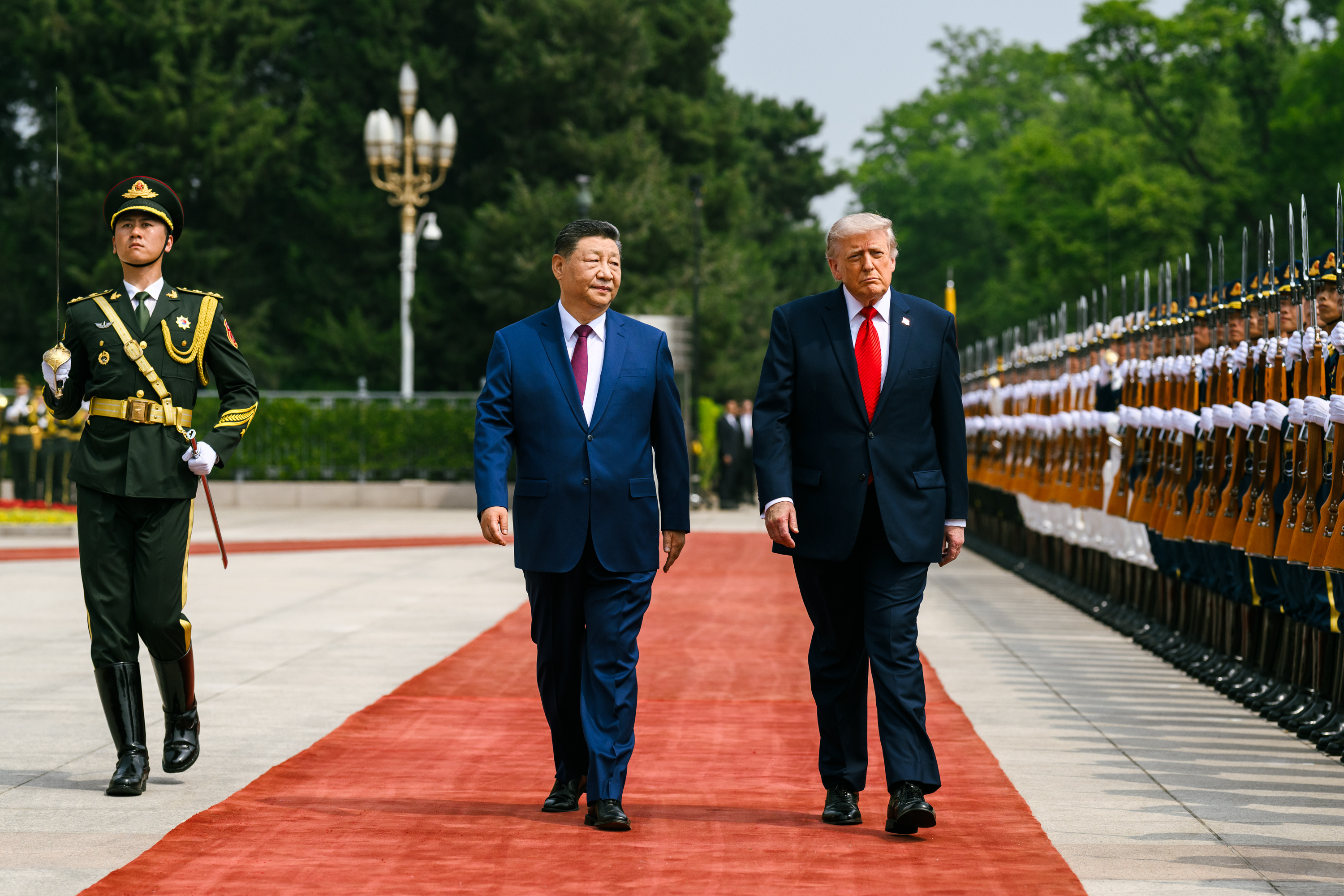
This article examines the May 2026 Beijing summit between Xi...
This article examines how the rise of narcissistic foreign policy—exemplified...
In October 2025, Indonesia's President Prabowo Subianto announced that Portuguese...
This article argues that recent U.S.–Israel military actions against Iran...
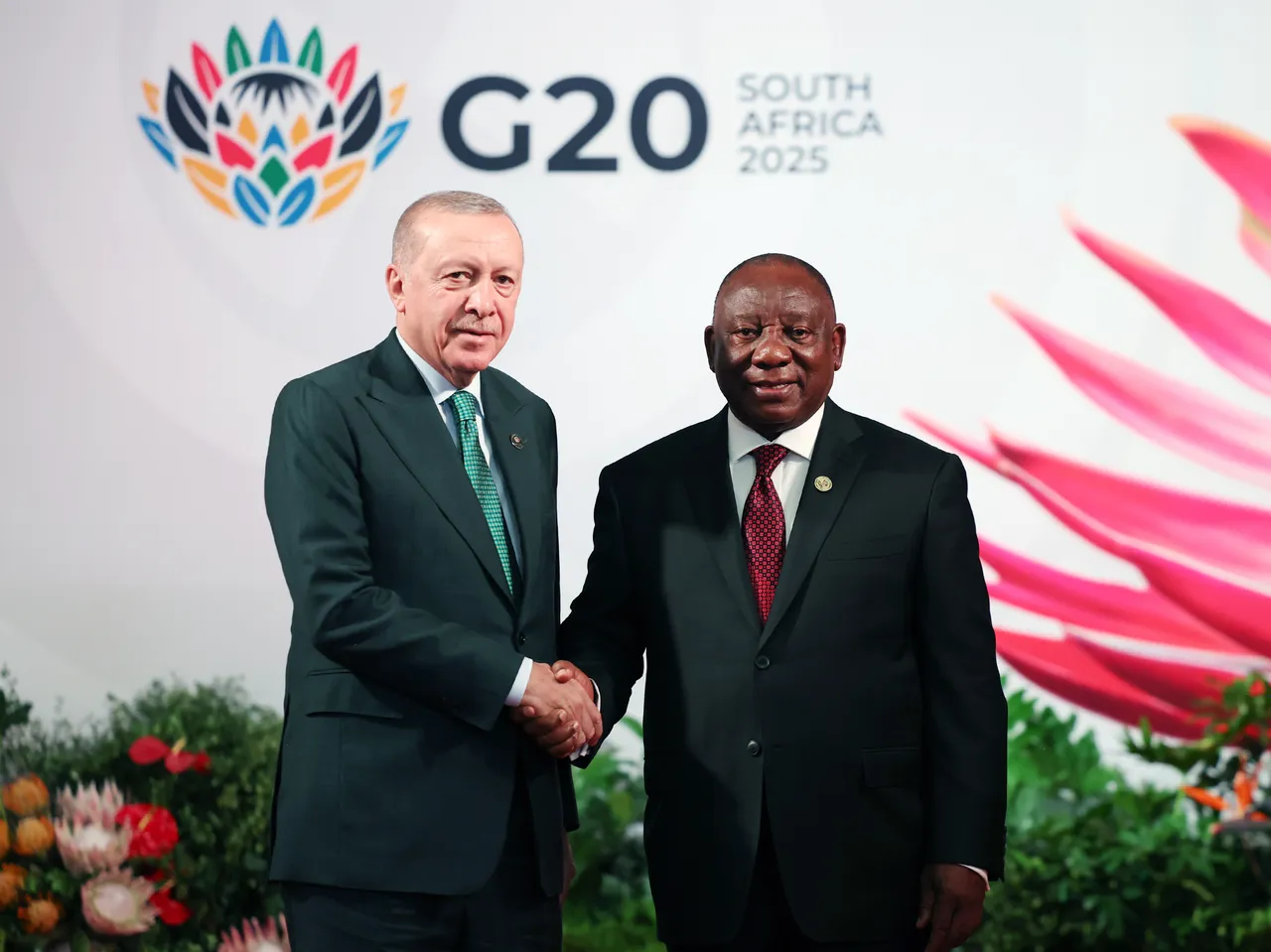
This article examines Türkiye’s evolving "Third Way" in Africa, an...
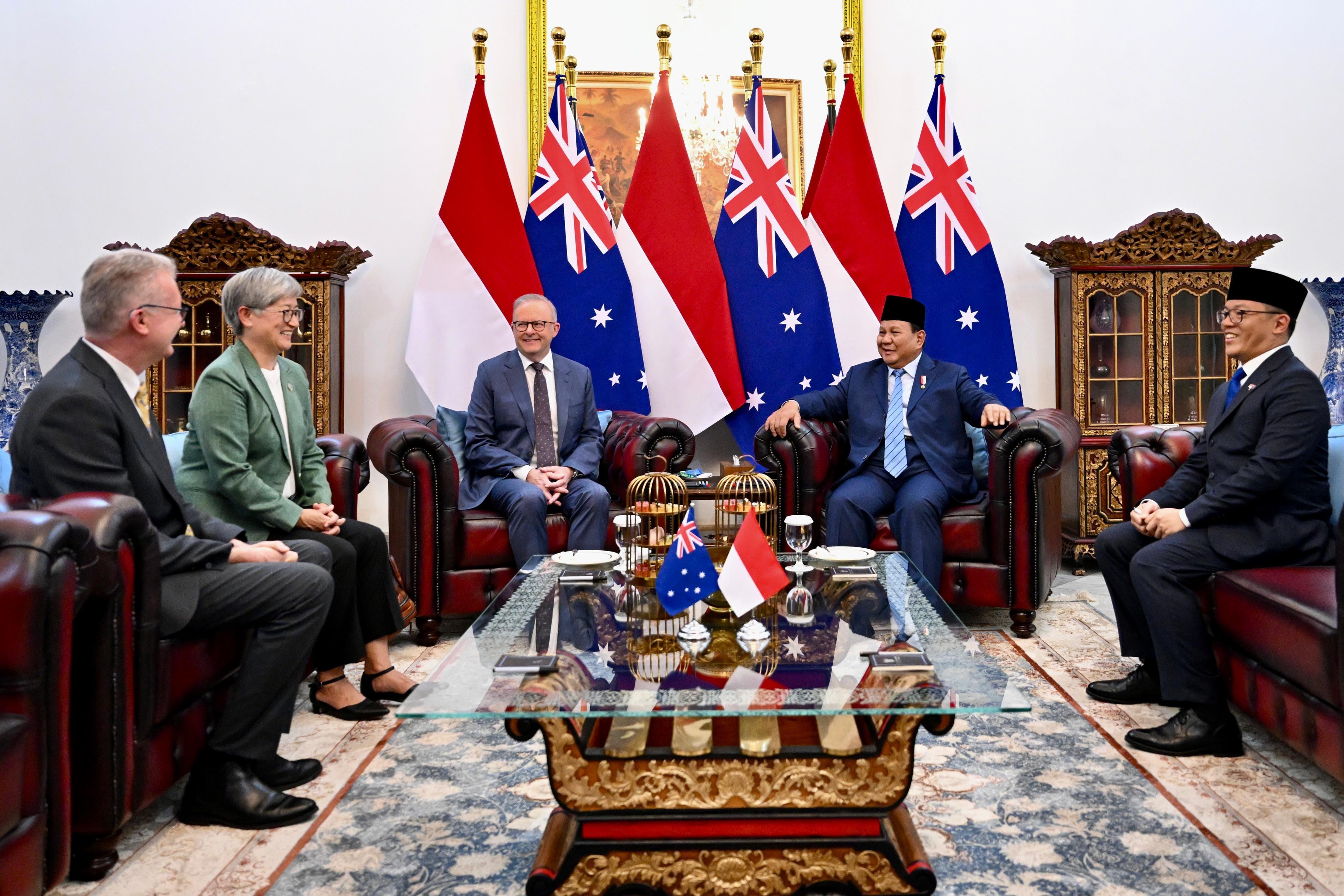
This article critically examines Indonesia’s evolving role from a quiet...
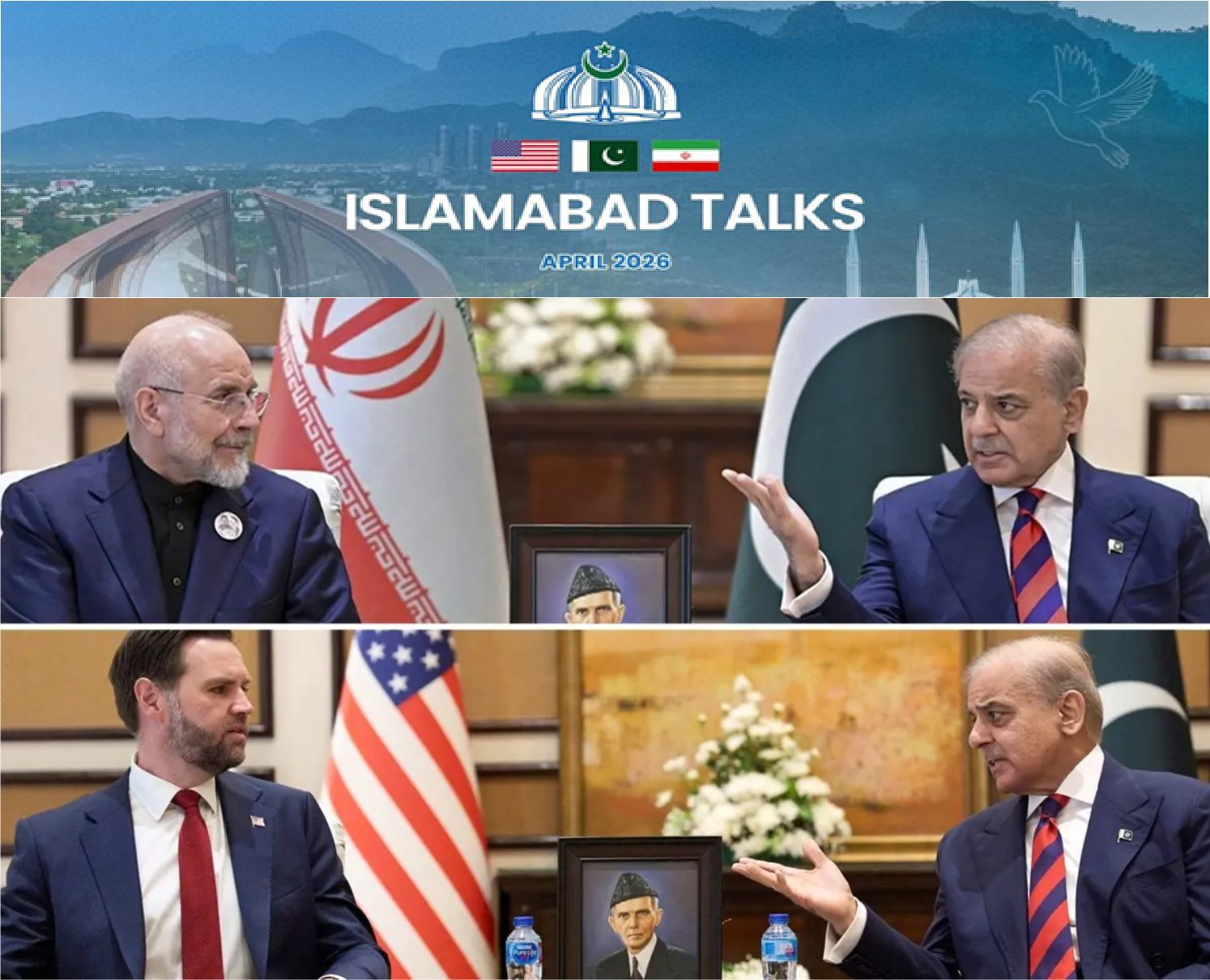
This article provides a firsthand account of how Pakistan emerged...
This article examines how disruptions in the Strait of Hormuz...
This article examines Indonesia’s participation in the Board of Peace...
This article examines what the attempted sale of CK Hutchison's...
This article examines the Kudankulam Nuclear Power Plant as a...
This article examines Nepal’s strategic position within the Indo-Pacific and...
This article analyzes Indonesia's participation in the US-led Board of...
This article critically examines the ASEAN 2025 vision and the...






Leave A Comment