

Public policies are often assessed through their declared objectives and moral intentions. Yet the effectiveness of a policy is determined less by what it seeks to do than by how accurately it identifies the problem it aims to address. As Peters et al. (2018) argue, policy effectiveness hinges less on the ambition of stated goals than on the precision of problem identification. In social policy, particularly in education, imprecise problem framing can result in interventions that are wellintended but insufficient. Indonesia’s Makan Bergizi Gratis (MBG) policy reflects a strong political commitment to improving children’s welfare through nutrition. In the 2026 national budget, the government allocated approximately Rp335 trillion, around 44 per cent of the total education budget, to this programme, making it one of the most expansive welfare initiatives in the country’s recent history. The emphasis on food security is understandable, given persistent concerns about malnutrition and its effects on learning outcomes.
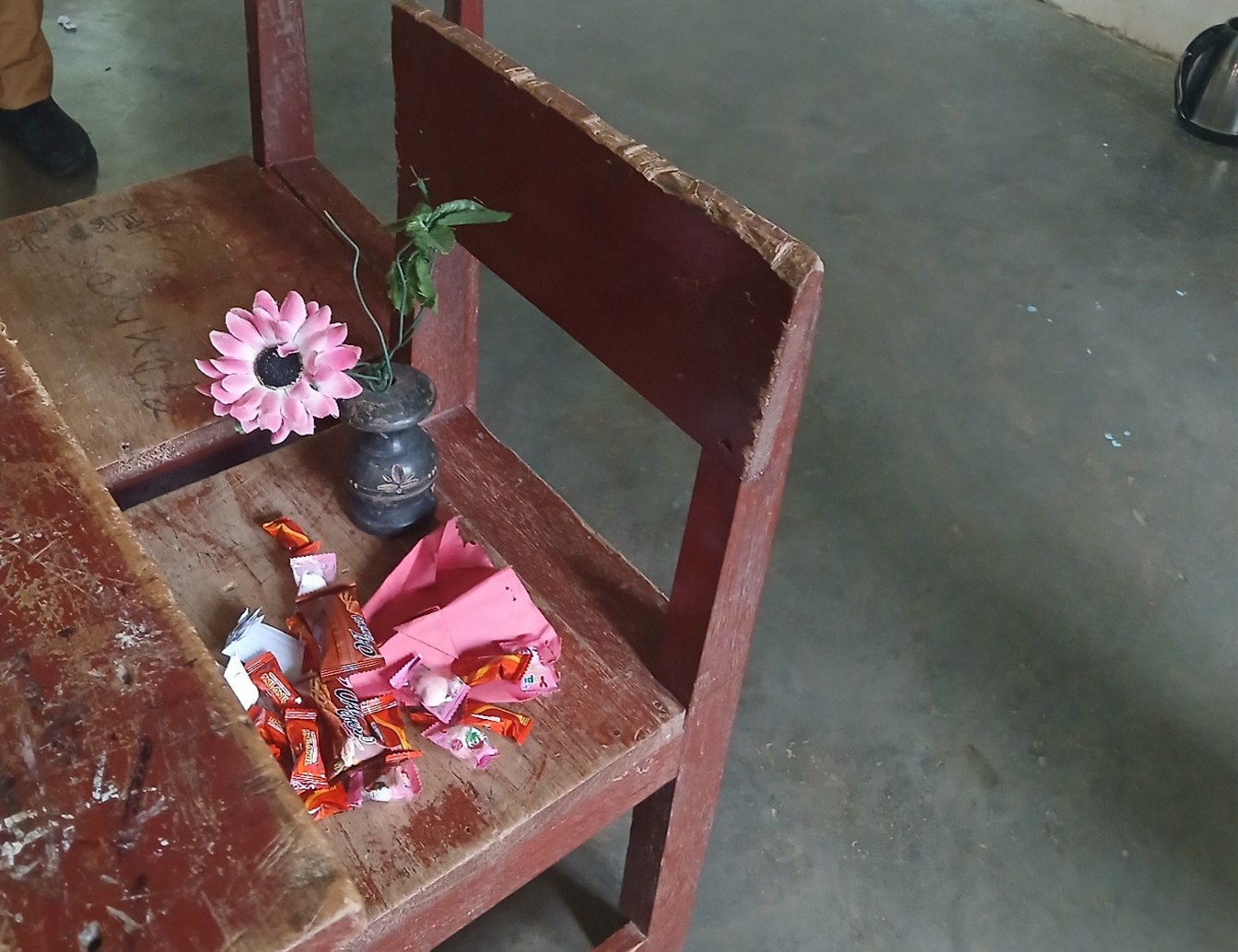
But the recent news of an elementary school student in Ngada Regency, East Nusa Tenggara (NTT) who reportedly took his own life after being unable to afford books and pens forces a far more uncomfortable question: are policymakers addressing the right problem, or merely the most visible one? This question shifts attention away from individual tragedy and towards the logic of policy design itself. Rather than viewing the incident as isolated or exceptional, it should be understood as a window into broader structural vulnerabilities, revealing how gaps in welfare design can persist even amid expansive social programmes, particularly when interventions focus on only selected dimensions of deprivation.
Every policy rests on assumptions about what constitutes the core problem. In the case of MBG, the underlying assumption is that inadequate nutrition is a primary obstacle to children’s educational participation and performance. From this perspective, providing free meals in schools appears as a rational and necessary intervention. Yet educational poverty in Indonesia is multidimensional. While food insecurity remains a serious concern, it exists alongside other material constraints that directly shape children’s schooling experiences. The costs of textbooks, learning materials, uniforms, transportation, and informal school-related expenses continue to place pressure on low-income households. These costs are often normalised within the education system despite their exclusionary effects.
Critics have pointed out that the sheer scale of MBG’s budget means other vital areas in education risk being underfunded or overlooked, including instructional resources, teacher welfare, and school infrastructure. By foregrounding nutrition while marginalising other forms of material deprivation, policy design risks oversimplifying the problem it seeks to solve. This is not a question of whether school meals are beneficial, but whether they are sufficient. When a policy framework prioritises what is most visible and administratively manageable, it may fail to capture the everyday realities faced by vulnerable families.
The reported suicide of a child over the inability to purchase books and pens underscores the emotional and psychological dimensions of poverty that frequently escape policy attention. Children experience deprivation not only through material absence, but through feelings of shame, exclusion, and fear of falling behind. These experiences are rarely documented in policy evaluations, yet they are central to understanding how poverty is lived. From a policy perspective, such incidents expose the limits of welfare coverage that operates primarily at an aggregate level. National programmes may improve enrolment rates or nutritional indicators while leaving unaddressed the micro-level pressures that shape daily participation in school. When support mechanisms fail to respond to these pressures, responsibility is effectively shifted onto individuals and families who lack the capacity to absorb it. This does not suggest that welfare policies are ineffective, but that they are incomplete. The absence of targeted support for essential learning materials reflects a broader tendency to underestimate the significance of seemingly modest costs. Over time, these omissions accumulate, creating conditions in which children bear the consequences of systemic blind spots.
Indonesia’s welfare policies are shaped by the challenges of governing at scale. As a large and diverse country, national programmes are often designed to be uniform, highly visible, and administratively efficient. These characteristics enable rapid implementation and broad coverage, but they also constrain policy sensitivity to localised forms of deprivation. In education, policy success is frequently associated with programmes that signal state presence in schools and produce measurable outputs. Within this context, initiatives such as MBG are particularly attractive: they are easy to communicate, politically legible, and symbolically powerful. Yet visibility should not be conflated with adequacy. The everyday costs of schooling vary across regions and households, and their impact cannot be captured through standardised indicators alone. When welfare priorities are determined primarily by what can be scaled quickly, policies may overlook the uneven burdens borne by families at the margins. The result is a form of partial protection, where assistance exists but fails to reach critical points of need.
The death of a child over the inability to afford basic learning materials should prompt more than expressions of public concern. It should lead to a reassessment of how educational deprivation is understood within policy frameworks. The issue is not the absence of welfare programmes, but the precision with which problems are identified and addressed. Indonesia has made significant investments in social protection and education. Yet the persistence of basic barriers to schooling suggests that policy attention remains uneven. When hunger is recognised but the lack of learning materials is treated as peripheral, policy responses capture only part of the problem. Precision in policymaking is therefore not merely a technical matter. It reflects the extent to which the state recognises the lived realities of its most vulnerable citizens. Without a more nuanced understanding of educational hardship, even well-intentioned policies risk leaving children exposed to preventable forms of exclusion. In this sense, the challenge is not only to expand welfare, but to ensure that it reaches where it is most urgently needed.

Wahyu Wulandari, M.A., is a lecturer in Political Science at Universitas Islam Negeri Raden Fatah Palembang, Indonesia. Her research focuses on policy and development, environmental politics, and religion and politics, with particular attention to how policy design and social interventions shape everyday experiences of inequality.
In "Lebanon's chronic blackout issue is not just an engineering...
This article asks whether Indonesia is showing early symptoms of...
This article documents the systematic repression of Pan-African activists, journalists,...
This article looks at how Pakistan's 2024 General Elections were...
This article examines the tragic death of a child in...
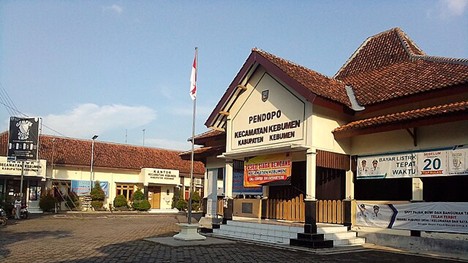
This article examines poverty alleviation efforts in Kebumen Regency, Central...
This article critically examines Indonesia’s Makan Bergizi Gratis (MBG) programme,...
This article examines the socio-political impact of Pandji Pragiwaksono’s stand-up...
This article examines the persistent "political masculinity" in Indonesia, 41...
This article examines why Islamic political parties in Indonesia remain...
This article examines the global rise of school meal programs,...
This article examines Dhurandhar not merely as a commercial Bollywood...
This article highlight the development of IT that has been...
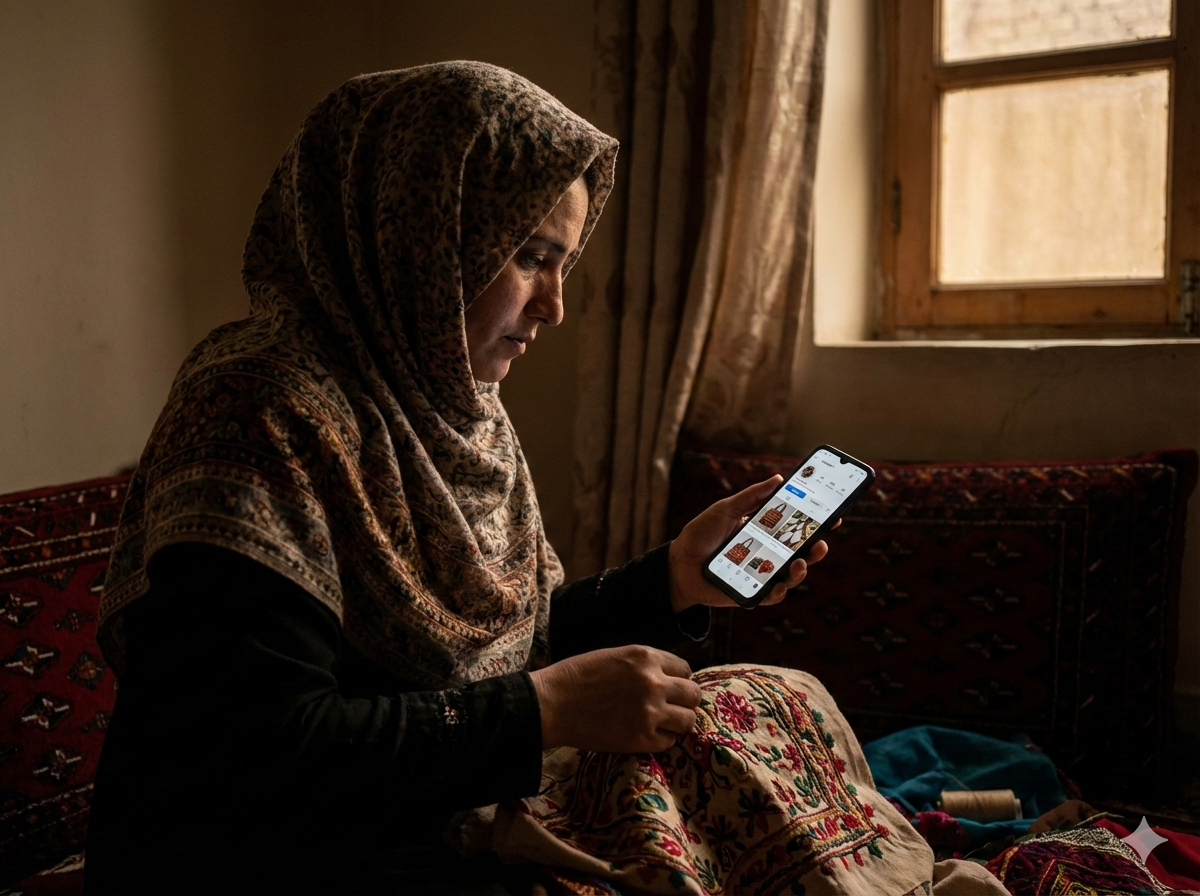
This article explores how Afghan women are using social commerce...
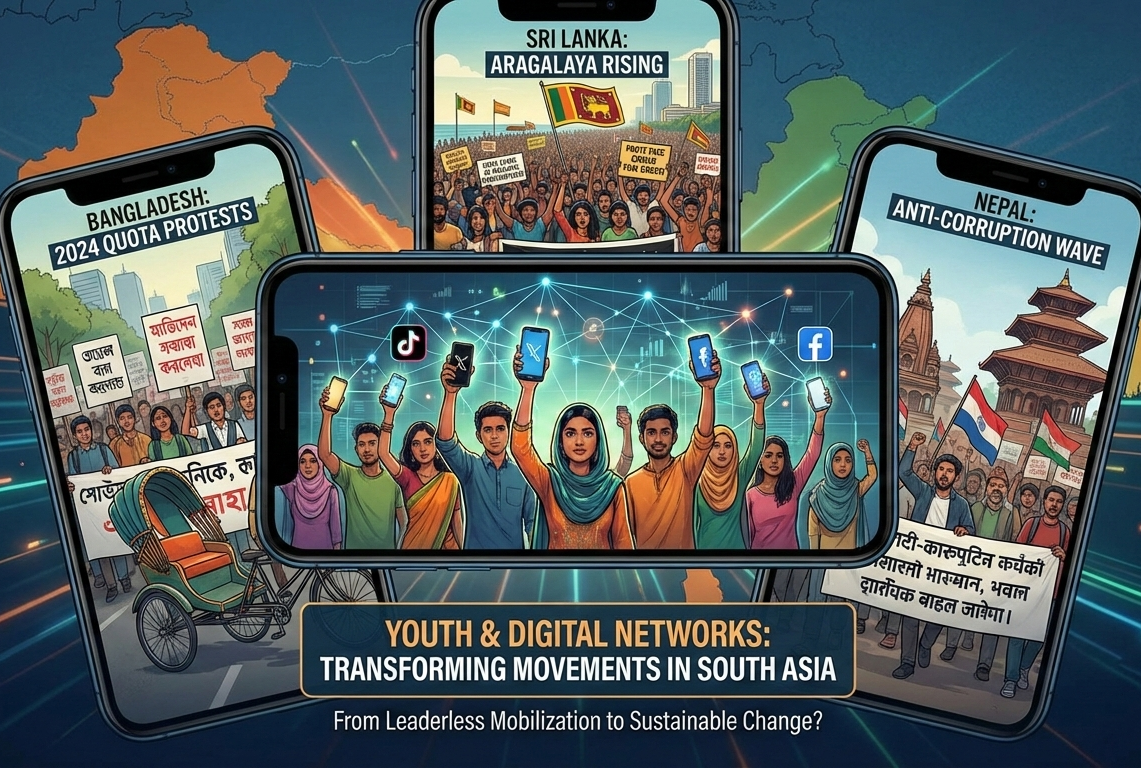
This article examines how youth-led, digitally networked movements are reshaping...
This article examines proposals to privatize religion not as neutral...
This article traces how a tense India-Pakistan cricket game, complete...
This article explains how the Pakistan-Saudi Arabia Strategic Mutual Defence...
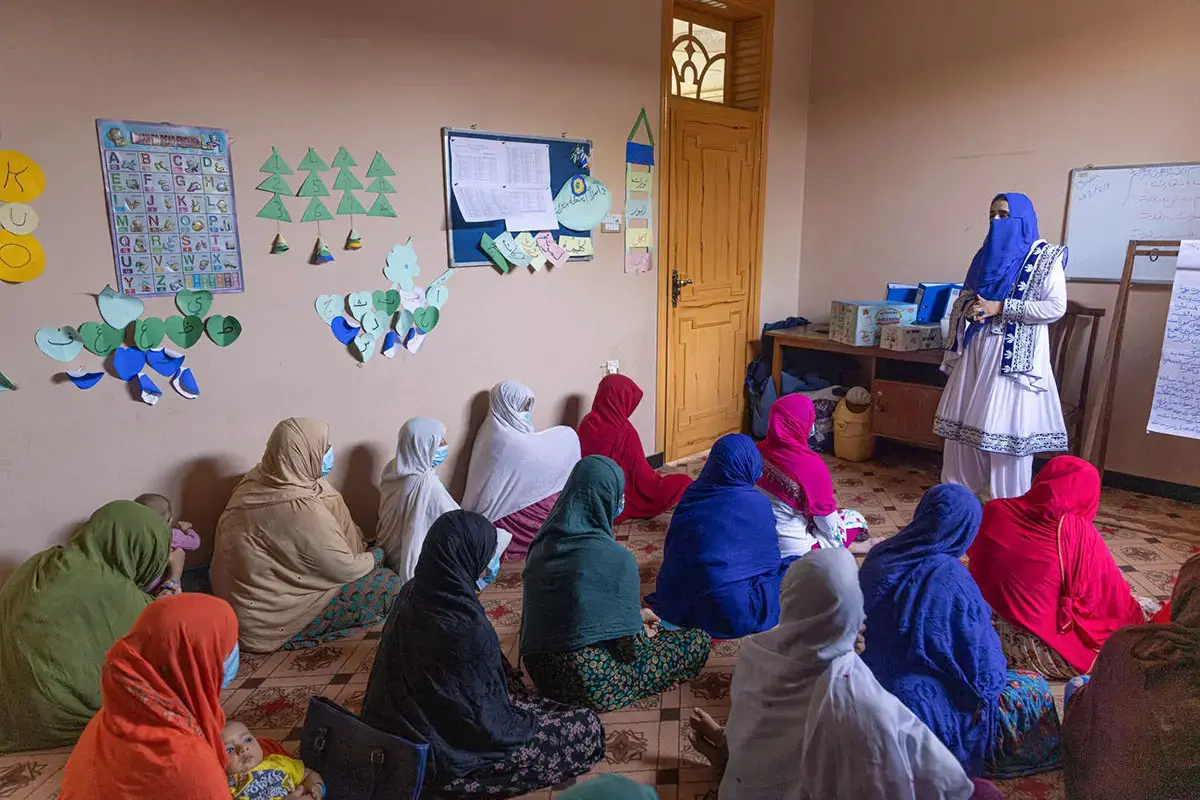
This article examines how Afghan women have transformed the struggle...
This article explores how special autonomy in Aceh and Bangsamoro...
This article examines how Malaysia’s political economy sustains social harmony...
This article critiques the Global Innovation Index (GII) for overlooking...
This article examines how technology has become a highly contested...
This article takes a deep dive into Indonesia’s evolving struggle...












Leave A Comment