
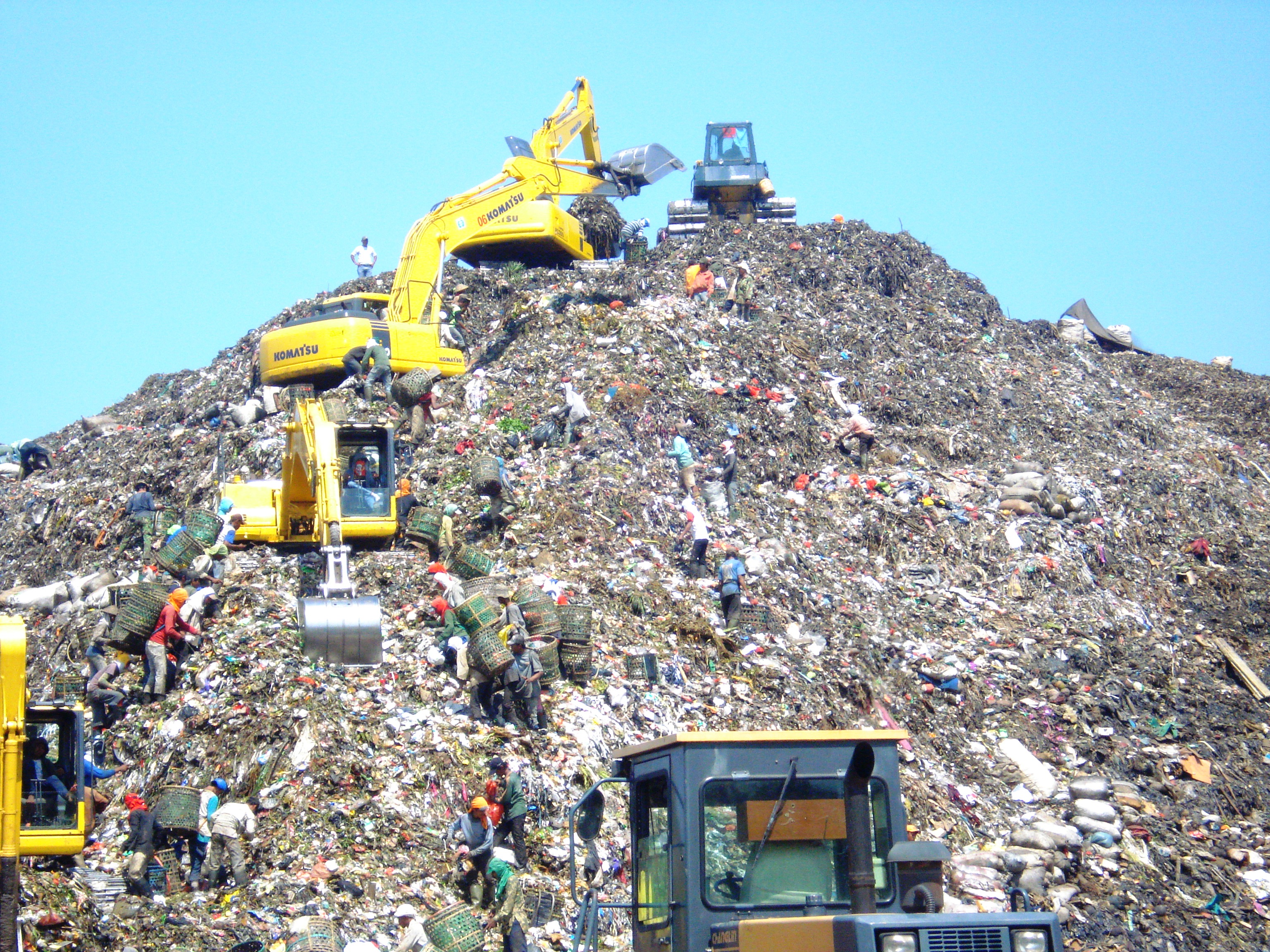
Image credit: Mountain of garbage with excavator, Bantar Gebang landfill. Photo: Adam Cohn / Wikimedia Commons, CC BY-SA 4.0.
The deadly collapse of the Bantar Gebang landfill was not a freak accident of nature. It was the predictable, entirely man-made result of decades of policy failure, chronic underfunding, and systemic environmental injustice.
On the afternoon of March 8, 2026, a 50-meter-high mountain of garbage collapsed in West Java. Triggered by extreme rainfall, the landslide buried infrastructure and claimed the lives of seven people, including waste pickers and truck drivers. The true cause is a system that allows Southeast Asia’s largest landfill to receive nearly 7,800 tons of waste every single day, even after surpassing its maximum safe capacity. What we are witnessing in Indonesia is not just a trash management problem; rather, it is a governance catastrophe with global climate consequences and profoundly unjust human costs.
An Invisible Climate Threat
Beyond the immediate physical danger of a towering trash pile, Bantar Gebang operates as a massive, unregulated climate threat. Nearly half of all the waste delivered to the site is organic food matter. According to the IPCC’s Sixth Assessment Report (AR6), this organic matter undergoes anaerobic decomposition once buried under millions of tons of unsorted rubbish, producing methane — a greenhouse gas roughly 80 times more potent than carbon dioxide over a 20-year horizon.
The scale of this pollution is staggering. Satellite observations have detected dense, invisible plumes of methane hovering directly over the landfill. With millions of tons of greenhouse gases escaping into the atmosphere annually from Jakarta's landfills, Indonesia’s Nationally Determined Contribution (NDC) target of a 31.89% unconditional emissions reduction by 2030 is practically impossible to achieve while this single facility remains uncapped.
A Sacrifice Zone for the Poor
The damage is not confined to the atmosphere; rather, it seeps directly into the earth. The toxic "juice" created by rotting garbage, known as leachate, filters straight into the local groundwater because Bantar Gebang lacks the modern protective liners required of safe landfills. The health impacts on the surrounding community are severe. Recent environmental studies have shown that nearly all the local well water is tainted with dangerous bacteria, and dangerously high levels of heavy metals turn the tap water rust-colored and undrinkable. Consequently, more than a third of the nearby residents suffer from diseases directly linked to the landfill, with thousands of cases of acute respiratory infections and waterborne illnesses reported every year.
At the precipice of this environmental disaster, between 3,000 and 6,000 informal waste pickers (pemulung) depend entirely on the towering, unstable landfill for their survival. Every day, these marginalized workers navigate hazardous conditions, inhaling toxic fumes and sorting through dangerous materials without any protective safety equipment. Despite their grueling labor, which forms the backbone of the local recycling effort, they remain trapped in a cycle of poverty. Their average monthly household income, according to research by Sasaki and colleagues, is roughly IDR 2.4 million, well below the regional minimum wage. Even more starkly, 2025 estimates from NGOs reveal that up to 550 children, ranging from 7 to 15 years old, are forced to labor at the hazardous site alongside their parents out of desperate economic necessity.
Meanwhile, the government attempts to appease the neighboring communities who suffer the brunt of this pollution by distributing a small monthly stipend, colloquially known as "smell money." However, researchers point out a cruel bureaucratic reality: the state legally categorizes this payment as "social assistance." This legal framing shifts the narrative, transforming what should be mandatory ecological restitution for severe environmental harm into mere conditional state charity. Consequently, this policy strips the community of its fundamental dignity, treating them as dependent aid recipients rather than sovereign victims of state-sanctioned pollution.
The Illusion of Law and the Path Forward
How does a rapidly modernizing nation allow this to happen? The frustrating reality is that Indonesia actually banned open dumping back in 2008. Article 44 of Law No. 18 of 2008 gave regional governments a five-year deadline to transition to sanitary landfills. More than a decade past that 2013 deadline, open dumping still accounts for roughly 43% of Indonesia’s estimated 550 municipal landfills, with only about 5% classified as sanitary; in April 2025 the Ministry of Environment ordered the closure of 343 non-compliant sites. The root culprit is structural. The Regional Government Law (UU 23/2014) classifies waste management merely as a "non-basic service compulsory affair," allowing cities to legally underfund it behind education and health priorities. The recent government response was to launch criminal probes against mid-level managers with threats of ten-year prison sentences that are politically dramatic but structurally meaningless without proper funding.
Following the fatal landslide, the central government declared a militaristic "war on waste" and launched criminal investigations into local environmental managers. But jailing middle managers is political theater that ignores the root of the problem. You cannot threaten an underfunded system into compliance. Indonesia must fundamentally change its laws to mandate that local governments dedicate a fixed, substantial portion of their budgets to waste infrastructure. Four reforms follow. First, reclassify waste management: amend UU 23/2014 to designate it as a basic compulsory service, obliging regional governments to allocate a guaranteed minimum share of their budgets to sanitary infrastructure. Second, shift focus upstream. End-of-pipe incinerators are inefficient when fed wet organic waste; strict household segregation and community-scale composting (such as East Jakarta’s Koperasi Kompos, which converts food waste into compost rather than methane) should come first. Third, reform compensation where the uang bau system must become a legal Ecological Rights Recovery Fund, scaling payouts based on spatial proximity to toxic leachate plumes rather than arbitrary flat rates. Fourth, protect the vulnerable. The pemulung must be formally integrated into our waste economy with proper labor contracts, health coverage, mandatory protective equipment, and strict prohibitions on child labor.
The seven people buried under 50 meters of garbage did not die because of bad weather. They died because of bad policy. If we are to prevent the next Bantar Gebang, we must treat garbage disposal not as an aesthetic afterthought, but as a fundamental matter of climate survival and human rights.

Nur Azizah Nafa is a graduate student in public policy specialising in climate change, gender, and child well-being. She works at the intersection of climate science, communication, and diplomacy, with a focus on building policy narratives that are not only evidence-based but politically actionable. Their research and advocacy reflect a core belief that climate policy is, at its heart, a question of whose lives we choose to protect.
This article examines how the systemic failure of urban waste...
Indonesia is spending Rp 75.8 trillion (around US$4.7 billion) building...
This article analyzes climate vulnerability across Economic Community of West...
This article argues that addressing climate change in the Global...
This article examines Indonesia’s transition from reactive emergency disaster spending...
This article examines the DRC–Rwanda peace accord through the lens...
This article offers a comparative reflection on how Islam has...
This article examines how youth-led, digitally networked movements are reshaping...
This article examines why forest-based approaches remain critical for addressing...
This article exposes the injustice of Afghanistan’s exclusion from COP30...
This article highlights the significant emotional and mental health burden...
This article defines Code Green as a model of public...
This article analyzes how China’s ambitious green transition serves not...
This article traces how the 2025 UN General Assembly turned...
This article looks at how Indonesia’s provinces with extensive biodiversity...
This article examines how climate change and privatization intersect to...
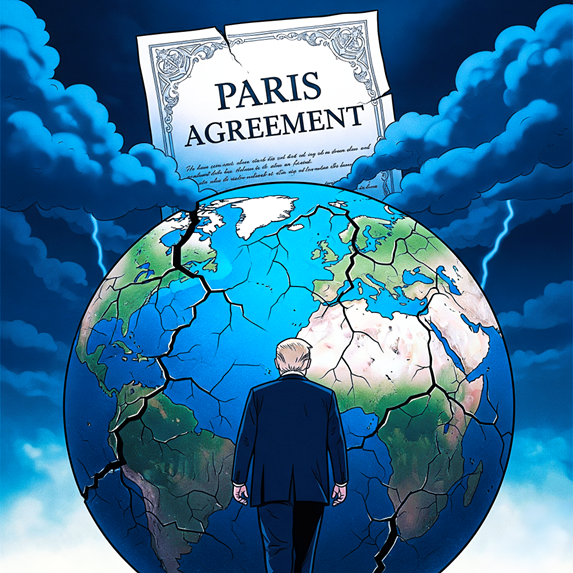
This article analyzes how Trump’s second time withdrawal from the...
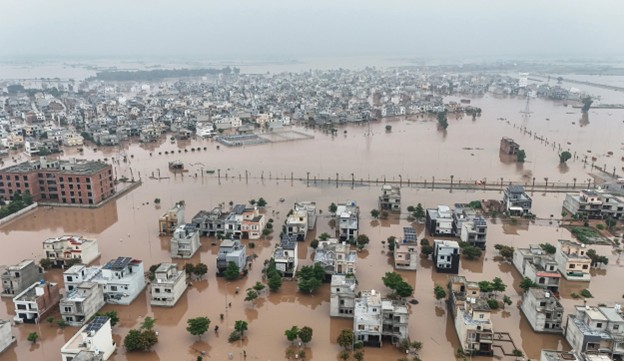
This article critically analyses Pakistan’s worst floods ranging from the...
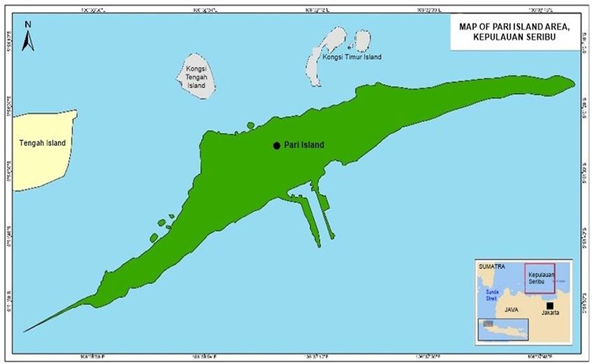
This article examines the climate vulnerabilities of Pari Island in...
This article traces how Pari Island in Jakarta’s Thousand Islands...
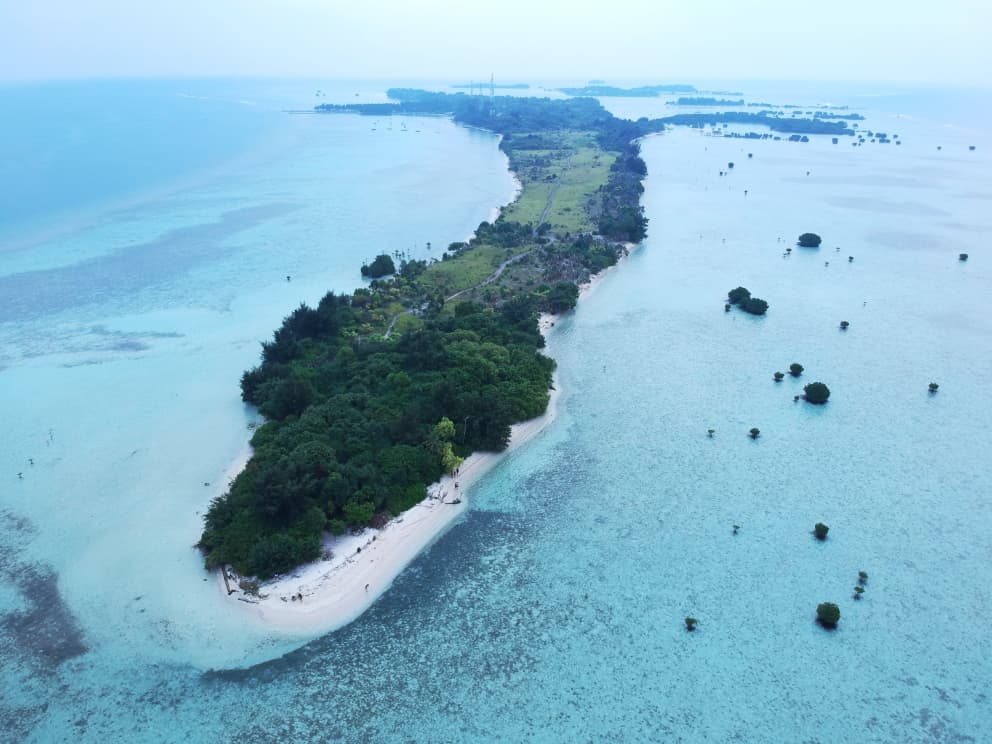
This article explores how ecotourism in Indonesia’s Thousand Islands generates...
This article compares how U.S. Presidents Joe Biden and Donald...
This article explores the devastating impact of human activities such...
This article critically examines the European Union’s Carbon Border Adjustment...







Leave A Comment