
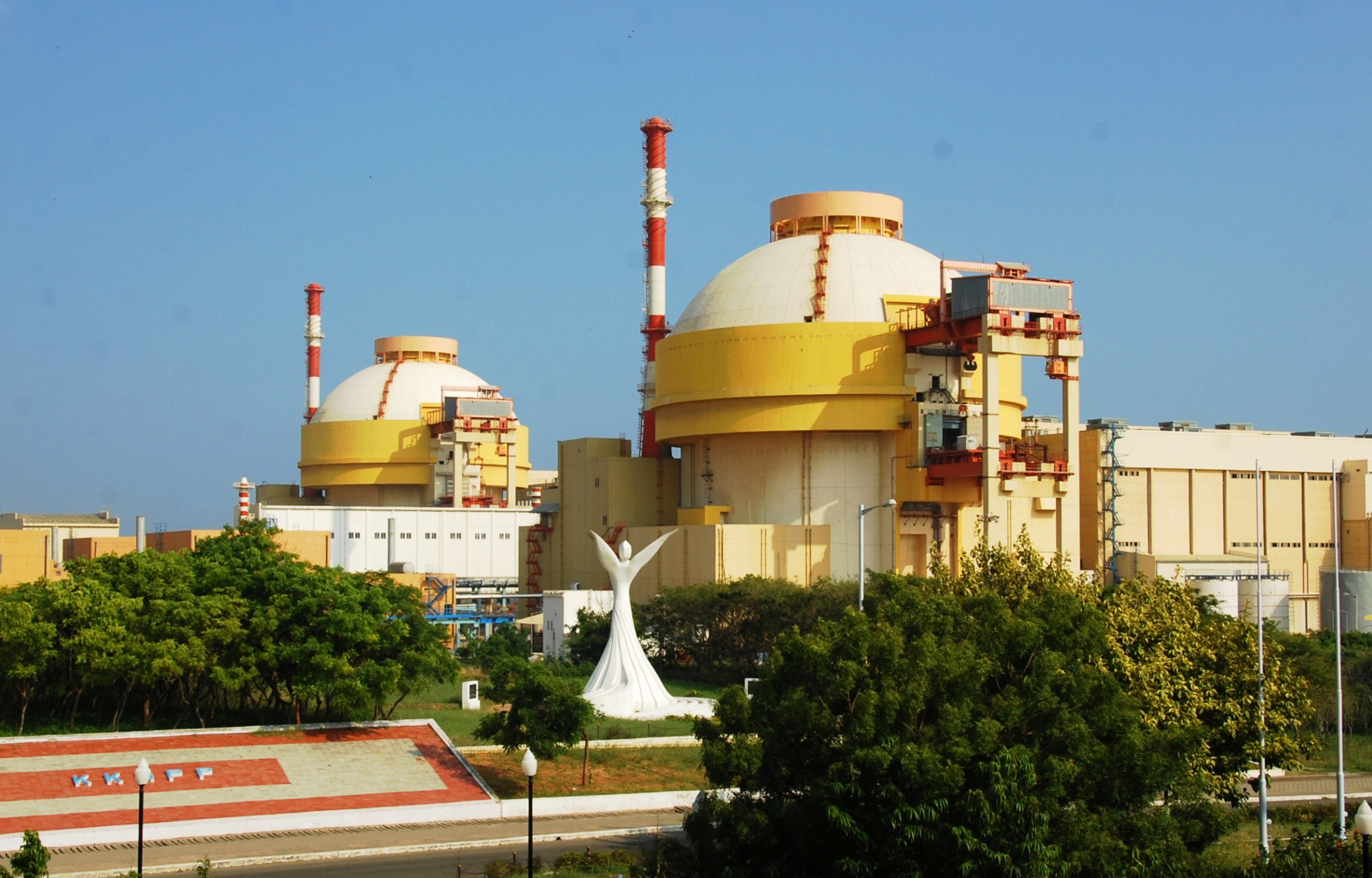
Image Credit: Reetesh Chaurasia / Wikimedia Commons (CC BY-SA 4.0)
The Kudankulam nuclear power plant (KNPP) is a flagship program of India-Russia nuclear energy program. The 23rd India-Russia summit held in December 2025 has deepened civil nuclear cooperation between the two countries, with a special emphasis on modular reactors. Incidentally President Putin’s visit coincided with the shipment of the first batch of nuclear fuel for Unit -3 of KNPP. Putin has even fast-tacked the expansion of KNPP. It is now considered critical to boost domestic electricity production. KNPP is designed to house six VVER-1000 reactors with a total planned output of 6,000 MW. Russia has emerged as India’s most dependable energy partner. Presently Units 1 & 2 have been connected to the national energy grid in 2013 and 2016 respectively. Units 4,5 and 6 are under construction. Russia remains India’s most consistent nuclear collaborator. The paper shows how Russian support for KNPP represents a successful synergy between cooperative diplomacy and technological expertise.
The KKNPP which is located in Tamil Nadu's Tirunelveli district, is India’s largest nuclear power plant. The plant's construction which started on March 31, 2002, however got delayed due to opposition by local fishermen. It is being constructed in partnership with Nuclear Power Corporation of India Limited (NPCIL) and the Russian State Corporation Atomstroy Export. The Engineering and Procurement (EP) contract for the KKNPP has been given to the Russian State Atomic Energy Corporation (ROSATOM). The Indian company Larsen & Toubro is in custody of building and commissioning the reactor auxiliary building. KKNPP has taken centre stage in India's recent efforts to increase domestic electricity output and energy resilience. Unit 1 of the plant was synchronized with the grid on October 22, 2013, and subsequent units have since followed, rendering the facility a vital component of India's power industry.
Nuclear Reactor’s Energy Security Complex
The plant is the outcome of an intergovernmental agreement for two reactors, signed in 1988 between Prime Minister Rajiv Gandhi and Soviet leader Mikhail Gorbachev. Due to the USSR's breakup and US opposition under Nuclear Suppliers Group guidelines, the project was put on hold for ten years. On June 21, 1998, it was revived, leading to fresh nuclear cooperation between Russia and India. The project became operational on March 31, 2002, and in 2004, a modest port was established specifically for the safe transportation of heavy reactor components that would otherwise be perilous on road routes for Units 1 and 2. Following AERB clearances, development on Units 3 and 4 started in 2017, while Units 5 and 6 began in 2021. Additionally, it is anticipated that Unit 5 would be put into service in December 2026 and Unit 6 by September 2027.
When it comes to building nuclear power facilities overseas, Russia is a global leader. Modern Russian pressurized water reactor technology, appropriate for large-scale base-load generation, is used in the reactor. They have a 3,000 MW thermal capacity and are water-cooled and moderated by water VVER-1000/V-412 (AES-92 design). With a 2 GW operational capacity, each reactor generates 1,000 MW gross and 917 MW net output, making it India's most powerful nuclear complex to date. But there were complications with the station's initial phase both during construction and after it was put into service.
The units' operational settings were far from optimal, according to the IAEA PRIS database. In the initial years, the reactor units' cumulative load factor did not exceed 60%. This indicates that they were only using about half of their full potential. This could be due to the quality of the equipment that was provided and the staff's ineffective use of it. With a load factor in excess of 80%, the units' efficiency has only recently surpassed the global norm. Due to worries about radiation safety, environmental hazards, and the Fukushima accident, KNPP has been under the scanner for some time. Construction was to be halted until an independent safety certification was completed, according to a 2011 PIL. In 2013, the project was declared to be in the national interest by the Supreme Court.
Dynamics of Modi-Putin Interactions
President Putin considers Kudankulam as the flagship program of India-Russia bilateral nuclear cooperation. At the recent India-Russia annual summit, the Kudankulam Nuclear Power Plant (KNPP) received a major boost. As of now two of the six nuclear reactors have been linked to the grid and the remaining four are under construction. The first two reactors were connected to the grind, and became operational in 2013 and 2016 respectively. These two units together contribute 2000MW to the national grid. Preceding its full-scale invasion of Ukraine in 2022, Russia has been subject to sanctions, although its nuclear industry has been mostly unaffected. With a steady supply of fuel from Russia, four more units are being built. As part of a 2024 deal guaranteeing a lifetime fuel supply, Rosatom has started supplying the first fuel batches for Unit 3.
The cost of building of units 3 and 4 was twice that of units 1 and 2 due to advancements in technology, price inflation, and the supplier's and operator's insistence on more liability insurance. This amount was eventually amended to ₹39,849 crore (US$6.12 billion). Units 5 and 6 will be constructed with a budget of ₹49,621 crore (US$6.7 billion). On January 26, 2018, Kudankulam Nuclear Power Project Site Director D. S. Choudhary reported that since the nuclear plant's units 1 and 2 started operating, they had produced a total of 22,800 million units. NPCIL was also authorized by the Central Electricity Regulatory Body in October 2025 to use 50MWe from Units 1 and 2 to commission Units 3 and 4.
Outcome of 23rd India-Russia Summit
Incidentally coinciding with President Putin’s visit on 4-5th December 2025, the ROSATOM delivered its first batch of nuclear fuel for Unit – 3 of KNPP, which was sent to India by a specialized cargo flight. In effect this is a key milestone to bring Unit-3 closer to “criticality”. Russia continues to be a major and reliable supplier of uranium for India. This was in keeping with India’s special relations with Russia, as well as the promise made by Putin to Modi. Ultimately when completed, KNPP is expected to host six VVER-1000 reactors in all. The VVER is a Pressurized Water Reactor (PWR) variant using Low enriched Uranium (LEU) as fuel. These advanced reactors are tuned to operate on 18-month fuel cycles. Today, Kudankulam is the only foreign built nuclear power plant producing energy in India. Rosatom is committed to ensuring that all the unit’s in Kudankulam reaches its full designed capacity.
Both President Putin and Prime Minister Modi also discussed the cooperation on small Modular Reactors (SMR’s). They can produce up to 300 MW (e) per unit, which is about one-third the capacity of conventional nuclear plants. They offer affordable and scalable solutions, and can be scaled up by adding new units. They are considered as modular because they are systems that are factory-assembled and transported as a unit for installation. They provide a versatile and economically viable alternative. Putin is even thinking in terms of floating nuclear power plants. SMRs ’help to provide clean energy to remote regions, without grid reliance. They can help support industries, hydrogen production and desalination. India wishes to proceed towards “Net-zero” emissions by 2070.
Hence the focus is on carbon-free energy. India presently operates 22 nuclear reactors, and intends to ramp up the generation of clean energy. ROSATOM contends that Russia is the only country that has SMR operational technology. This is very much part of the future roadmap of India and Russia, to meet India’s energy requirements. The Indian government hopes to increase India’s nuclear energy capacity to 100GW by 2047. This will require a concerted effort by India to overcome existing challenges, and also a strong focus on what the government terms ‘Bharat Small Nuclear Reactor’s (BSMR’s). This will necessitate a significant acceleration in the pace of nuclear development. The Union Budget 2025-26 has also provided a roadmap for this.
Conclusion
Russia is projected to be the biggest and sole foreign developer of NPPs in India for the foreseeable future. Kudankulam as one of the strong pillars of India-Russia strategic cooperation, is committed to ensuring low carbon-based energy supply. Russia has reaffirmed to the completion of all the six units, underscoring the strength of the strategic partnership between New Delhi and Moscow. Russia has emerged as India’s most consistent nuclear collaborator. Therefore, Kudankulam represents a successful synergy between cooperative diplomacy and technological expertise, thereby reflecting the resilience and the durability of Indo-Russia civil nuclear cooperation.
Dr. Lakshmi Karlekar is an Assistant Professor, Department of Humanities- Political Science and International Relations at M S Ramaiah College of Arts, Science and Commerce. She was also the former Research Fellow at the Department of International Studies, Political Science, and History at CHRIST (Deemed to be University). She has completed her Bachelor of Arts in History, Economics, and Political Science and Master of Arts in International Studies and secured 1st Rank in the University. Her Ph.D. thesis is based on the Comparative Analysis of China and the United States Geopolitical Energy Security Syndrome in Central Asia in the 21st Century.
Dr. M.J. Vinod is a Professor in the Dept. of International Studies, Political Science, and History at CHRIST (deemed-to-be) University, Bangalore. He was a former Chairperson of the Dept. of Political Science and Dean, Bangalore University. He received his MA, M.Phil, and Ph.D. degrees from Bangalore University.
In this article, Aniello Iannone critically evaluates the ten-year trajectory...
The global order is moving beyond rigid bloc politics toward...
In this article, Luo Chen Jun highlights a striking historical...
In this article, Muhamad Ferdy Firmansyah highlights how climate technology...
In his latest article, Aniello Iannone examines the gap between...
This article analyzes Indonesia's ambitious military modernization through its strategic...
DeepRare is being hailed as a major breakthrough in the...
This article analyzes President Prabowo’s decision to skip the June...
This article analyzes the phenomenon of "sibling rivalry" at the...
This article evaluates the normative frameworks offered by China’s four...
This article examines the 2025 Thailand–Cambodia border conflict to evaluate...
This article examines the May 2026 ASEAN Summit in Cebu...
This article examines the May 2026 Beijing summit between Xi...
This article examines how the rise of narcissistic foreign policy—exemplified...
In October 2025, Indonesia's President Prabowo Subianto announced that Portuguese...
This article argues that recent U.S.–Israel military actions against Iran...
This article examines Türkiye’s evolving "Third Way" in Africa, an...
This article critically examines Indonesia’s evolving role from a quiet...
This article provides a firsthand account of how Pakistan emerged...
This article examines how disruptions in the Strait of Hormuz...
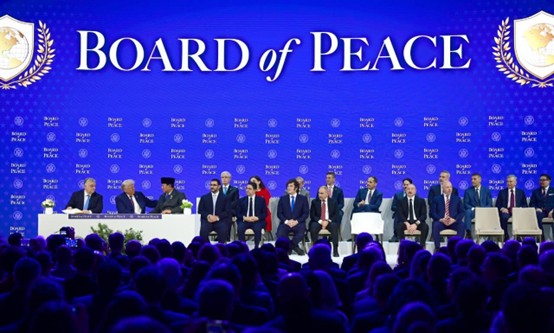
This article examines Indonesia’s participation in the Board of Peace...
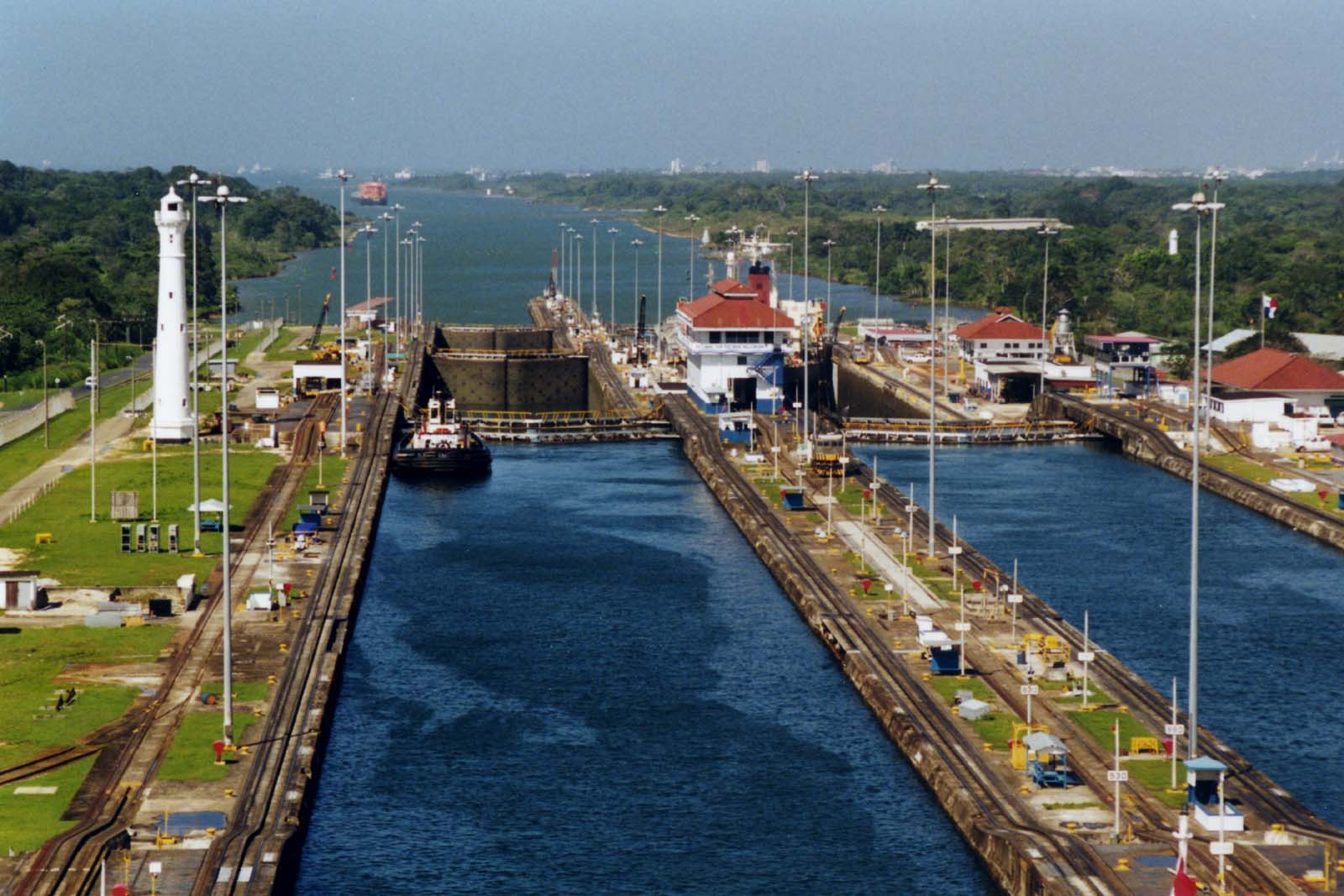
This article examines what the attempted sale of CK Hutchison's...
This article examines the Kudankulam Nuclear Power Plant as a...
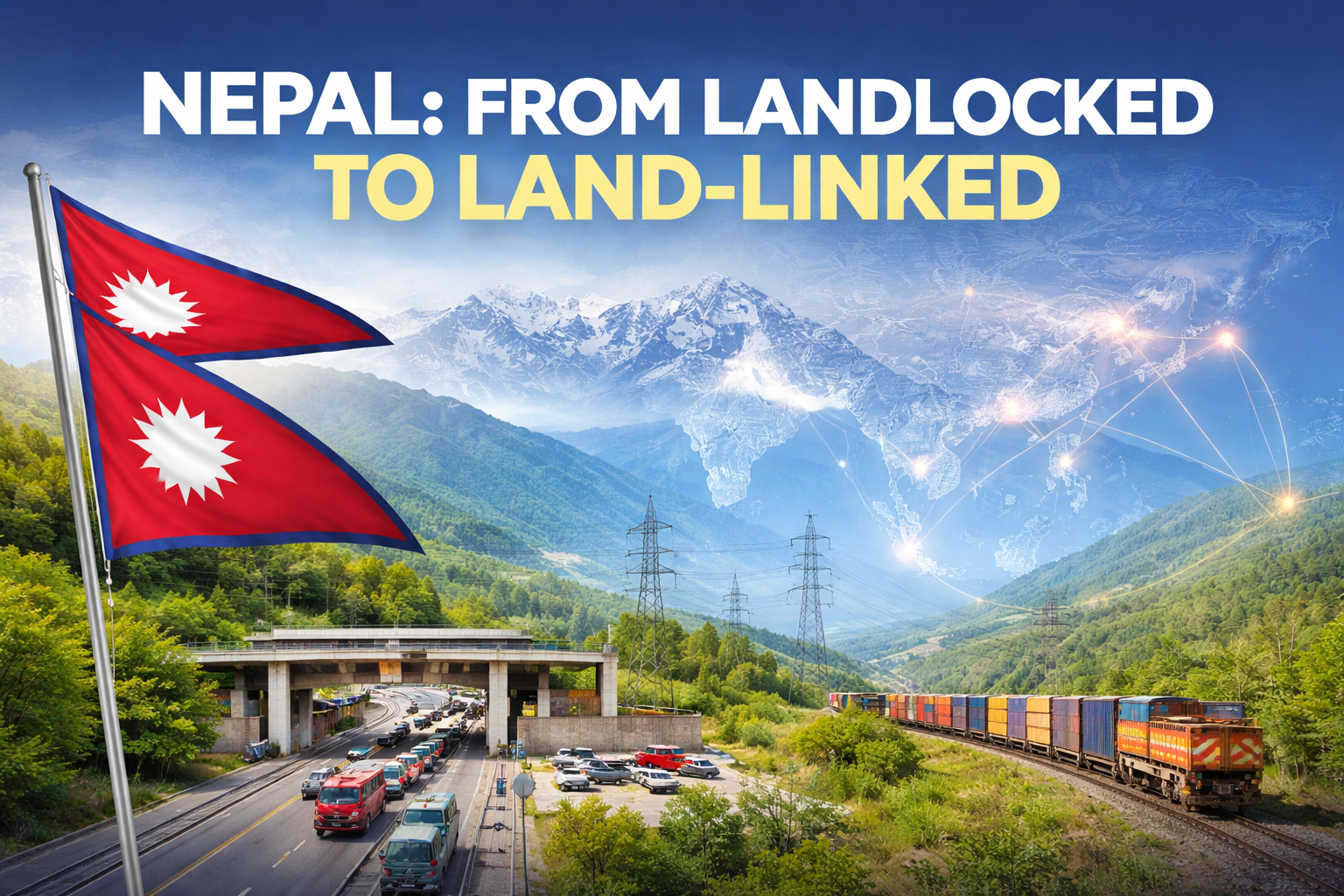
This article examines Nepal’s strategic position within the Indo-Pacific and...




Leave A Comment