
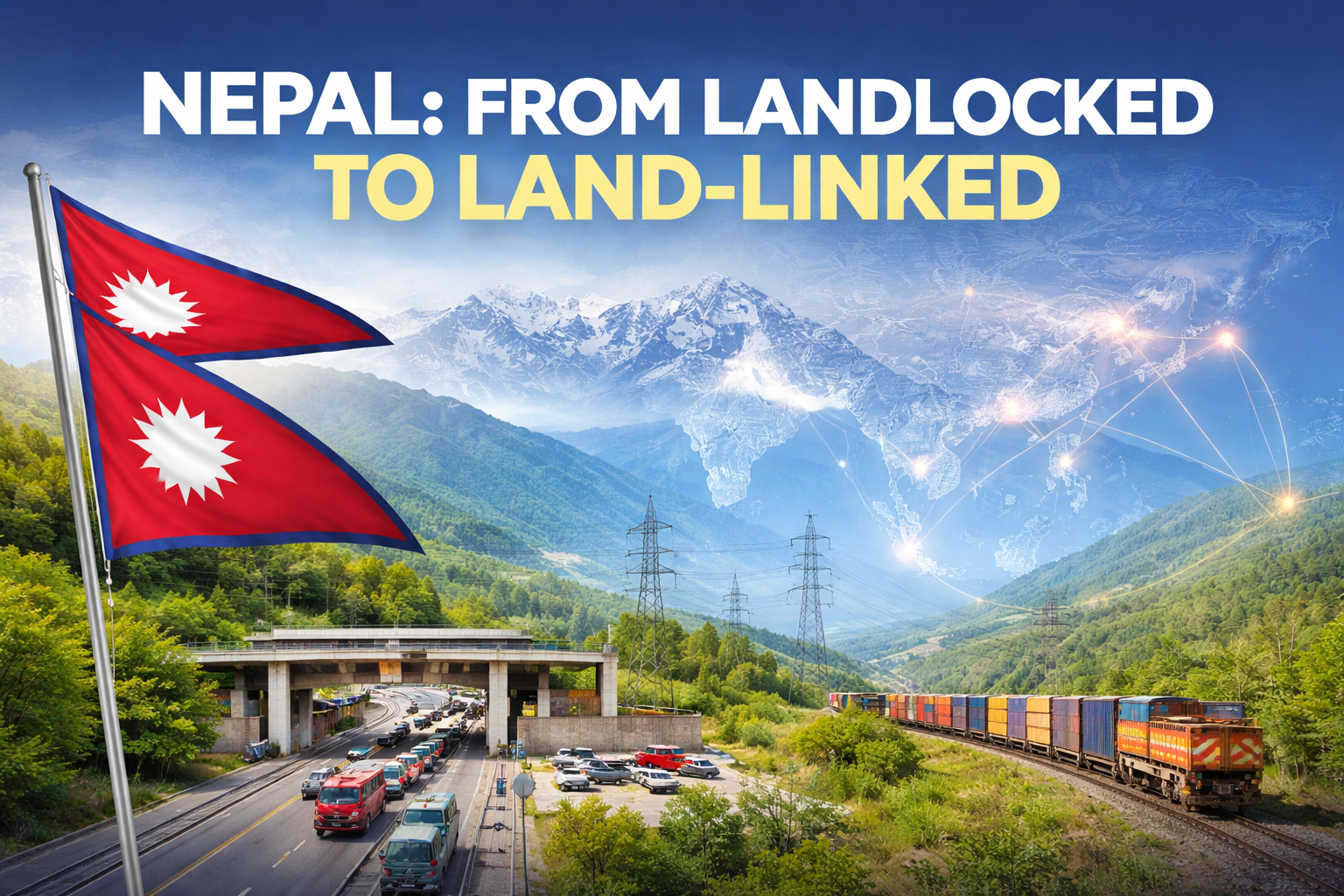
Indo Pacific is home to critical trade routes, wide profitable consumer markets, manufacturing bases, natural resources and technological hubs. Despite its potential the region faces significant gaps on several fronts including infrastructure deficits in connectivity, supply chain disruptions, climate related challenges, asymmetric access to advanced technologies, clean energy solutions and skilled workforce development. Economic inclusivity issues persist in informal sectors with limited access to resilient financing or markets.
It is an agreeable fact that regional cooperation is imperative for fulfilling resource and capabilities gap nations have for reducing collective vulnerabilities, and delivering tangible gains for all stakeholders. For Nepal, the answer does not lie in grand Indo-Pacific strategies, but in deepening practical cooperation with India and neighboring economies to transform itself from a landlocked to a land-linked state.
Effective Multilateralism A Possibility?
Beyond territorial security, multilateral and plurilateral platforms like US led Indo Pacific Economic Framework (IPEF), QUAD, have from time-to-time addressed regional development needs like infrastructure, supply chain resilience, clean energy, and inclusive growth.
Key multilateral initiatives like IPEF supply chain Agreement (SCA), Supply Chain Resilience Initiative (SCRI), QUAD Critical Minerals Initiatives emerged in response to vulnerabilities exposed by Covid-19 pandemic, geopolitical tensions, and over reliance on single source critical goods and minerals.
While we witness two major conflicts involving prominent countries like the US, Russia, Israel, Iran, and Ukraine, it is imperative to look for collective solutions ensuring peace, stability and prosperity. Adopted initiatives should work towards delivering mutual benefits and avoid zero sum dynamics respecting sovereign boundaries. It is imperative to build long term enduring partnerships based on mutual trust, confidence aiming win-win outcomes.
Participation in multilaterals and mini-laterals involve various risk factors. Essentially the challenges thrown in by non-permanent personality driven plurilateral or multilateral initiatives that relies on leadership summits, rotating chairs and working groups instead of permanent secretariats or binding treaties.
Lower stakes cooperation formats as a step towards building strong partnerships can be considered. Flexible arrangements that enable incremental trust building based on mutual incentives can be a good starting point. Cautionary approach should be maintained as spontaneous platforms although spontaneous and faster in addressing threats but are mostly subjected to the curves and nature of bilateral ties existing at an existing point of time.
Collective consensus should focus on transnational initiatives based on mutual benefit sharing models addressing issues like climate resilience, health security, digital growth that yield benefits and sustained momentum.
Nepal’s Potential in Strengthening Regional Cooperation
Bilateral high impact opportunities aligned with India’s Neighborhood First and Nepal’s needs for sustainable growth will surely and steadily will contribute to broader regional cooperation in South Asia, and the Indo Pacific region. Three primary areas to point out are:
Cross Border Energy Trade and Joint Hydropower Development
Energy has become the "transformative pillar" of Nepal’s relationship with India. It is transitioning from a net importer to a growing exporter of electricity. Given the demand, Nepal’s vast untapped hydropower potential can meet India’s rising energy needs.
Nepal’s two recent landmark power agreement is an important step towards building its profile as a net power exporter in South Asia. Its long-term power agreement with India that sets the target of exporting 10000 MW in next 10 years and trilateral agreement involving India and Bangladesh enabling 40 MW exports to Bangladesh via Indian grid supports regional goals, cutting reliance on fossil fuels, advancing clean energy transition, and its progress as a green power house in South Asia.
However, Nepal’s Hydropower sector has faced persistent delays. Despite its enormous capacity it has only reached around 4000 MW of installed capacity with significant bottlenecks like bureaucratic hurdles, financial constraints, land acquisition issues, and imbalance ingeneration capacity and available transmission lines &substations have hindered progress. Nepal’s surplus power generated in wet season is wasted due to inadequate transmission.
Renewed and amplified focus on boosting cross border energy trade and joint hydropower development can be leveraged to supply power to other countries in South Asia and at later stage with better grid integration mechanisms, even to Southeast Asia
In such scenarios, sub regional and multilateral frameworks like BIMSTEC or BBIN can be helpful in drawing cooperation strategies in meeting the requirements of the subcontinent while enhancing South Asia’s energy security putting Nepal at the center.
Enhance Physical and Digital Connectivity
Nepal-India relations are centered around a multi-layered ecosystem of physical and digital connectivity. These initiatives have the potential of serving as the backbone for regional economic integration, moving from simple border crossings to a structured high-capacity transport networks. Improved connectivity will create bridges that facilitate regional integration.
Recent trade and connectivity related agreements have shifted focus from simple transit to high-capacity multimodal logistics. In November 2025, India and Nepal signed a key amendment to their Treaty of Transit for facilitating rail-based trade between the two countries. Under the new arrangement, rail-based cargo transport is allowed to operate directly along the Jogbani–Biratnagar rail link, with access to major transit corridors such as Kolkata–Jogbani, Kolkata–Nautanwa (Sunauli), and Visakhapatnam–Nautanwa (Sunauli). This is expected to reduce logistical costs and transit time in Nepal’s favor improving its trade efficiency with India and third countries.
Several key projects under planning stage that has faced significant delays include Pancheshwar Multipurpose Project, Mahakali Bridge, Kamalbinayak-Nagarkot Road, and etc. It is important to prioritize completing key projects under-construction, upgrade integrated checkposts, and enhance petroleum pipelines and transit facilities.
In the bigger scheme of things, improved connectivity creates bridges supporting regional integration via BIMSTEC, BBIN and development driven Indo Pacific Initiatives focused on trade networks, supply chains, and infrastructure building. Nepal can be developed as a critical nodal point of connectivity given its politically neutral position and geography. In a push to strengthen India- Nepal digital connectivity corridor, cross-border e-payment mechanisms have been introduced enabling seamless digital transactions for trade, tourism, and remittances.
Nepal- India Synergy in the Domain of Manufacturing
Nepal struggles with low manufacturing capacity, technological gaps, and weak competitiveness. A concerted effort to develop Nepal as a production and trading base for the larger South Asian market, leveraging its lower labor costs and proximity to India can make it a critical link to the manufacturing supply chain in the region.
Manufacturing cooperation between Nepal and India is primarily governed by a long-standing Treaty of Trade that provides non-reciprocal duty-free access for Nepali-manufactured goods to the Indian market. Recent developments have focused on improving investment climates and encouraging joint ventures in high value sectors.
Nepal received a BB- sovereign credit rating in 2025 for the second consecutive year implying low external debt and solid growth potential, aims to boost investor confidence in key sectors like energy, infrastructure, and manufacturing. Simultaneously, exporters operating in Nepali SEZs receive a 5-year full income tax holiday and custom duty waivers on raw materials.
As a landlocked small nation positioned between two major players, Nepal’s aspiration to expand and diversify economically face several challenges. A land-linked future by developing strong bilateral verticals with partnering countries and effective multilateral development cooperation will strengthen Nepal’s potential in regional cooperation.
By positioning itself as a “land-linked” economy through stronger infrastructure, integrated markets, and cross-border value chains, Nepal can move from the periphery to the center of regional economic dynamics. The challenge is no longer one of geography, but of strategy: whether Nepal can effectively leverage its partnerships to translate potential into long-term regional relevance.

Dr. Angana Guha Roy is currently working as an Associate Director at the Asian Institute of Diplomacy and International Affairs, Kathmandu. She writes on Foreign Policy, Geopolitics, Defence and National Security, and other prominent issues in International Relations. Please contact her at : anganaguharoy@gmail.com
In this article, Aniello Iannone critically evaluates the ten-year trajectory...
The global order is moving beyond rigid bloc politics toward...
In this article, Luo Chen Jun highlights a striking historical...
In this article, Muhamad Ferdy Firmansyah highlights how climate technology...
In his latest article, Aniello Iannone examines the gap between...
This article analyzes Indonesia's ambitious military modernization through its strategic...
DeepRare is being hailed as a major breakthrough in the...
This article analyzes President Prabowo’s decision to skip the June...
This article analyzes the phenomenon of "sibling rivalry" at the...
This article evaluates the normative frameworks offered by China’s four...
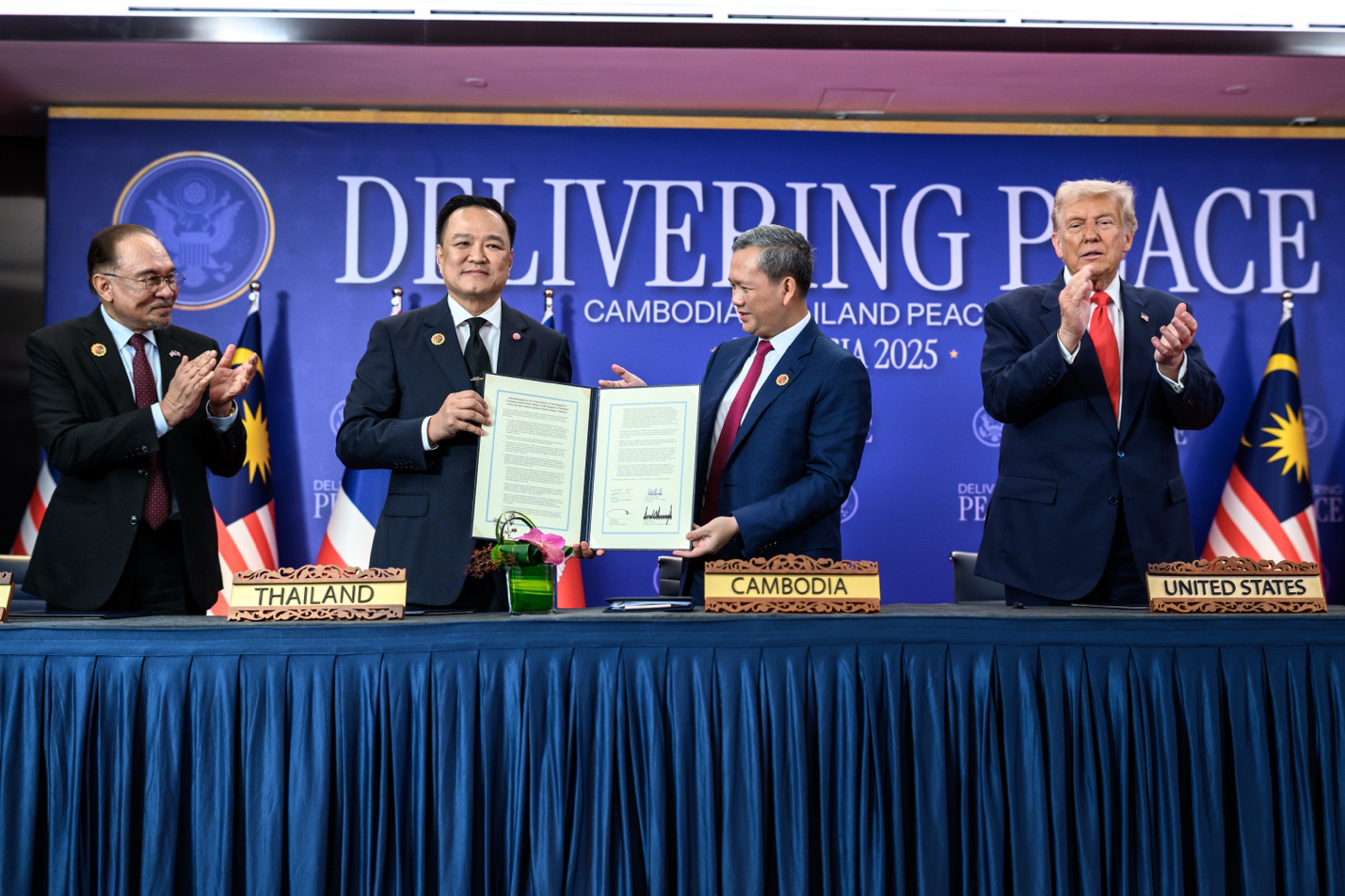
This article examines the 2025 Thailand–Cambodia border conflict to evaluate...
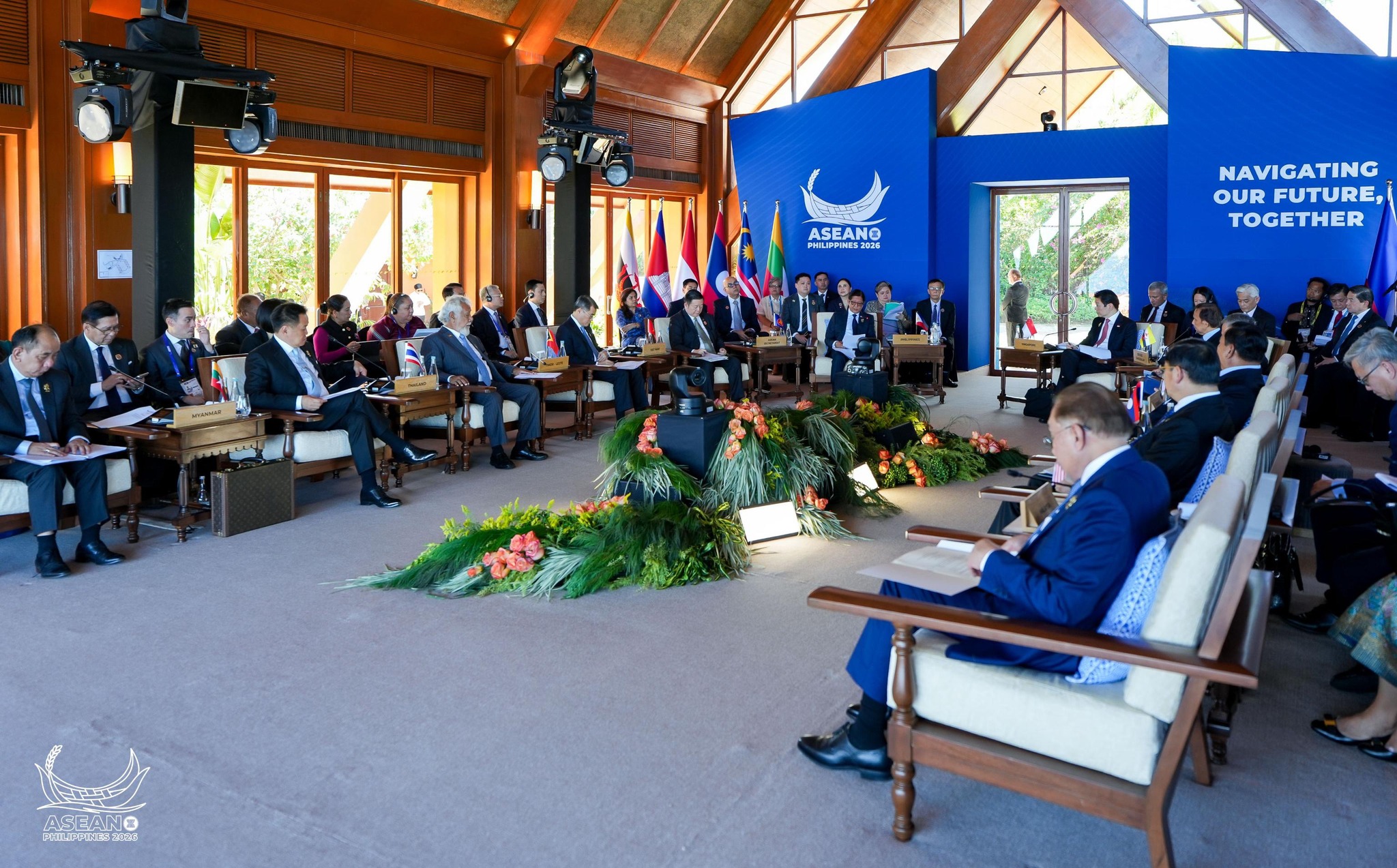
This article examines the May 2026 ASEAN Summit in Cebu...
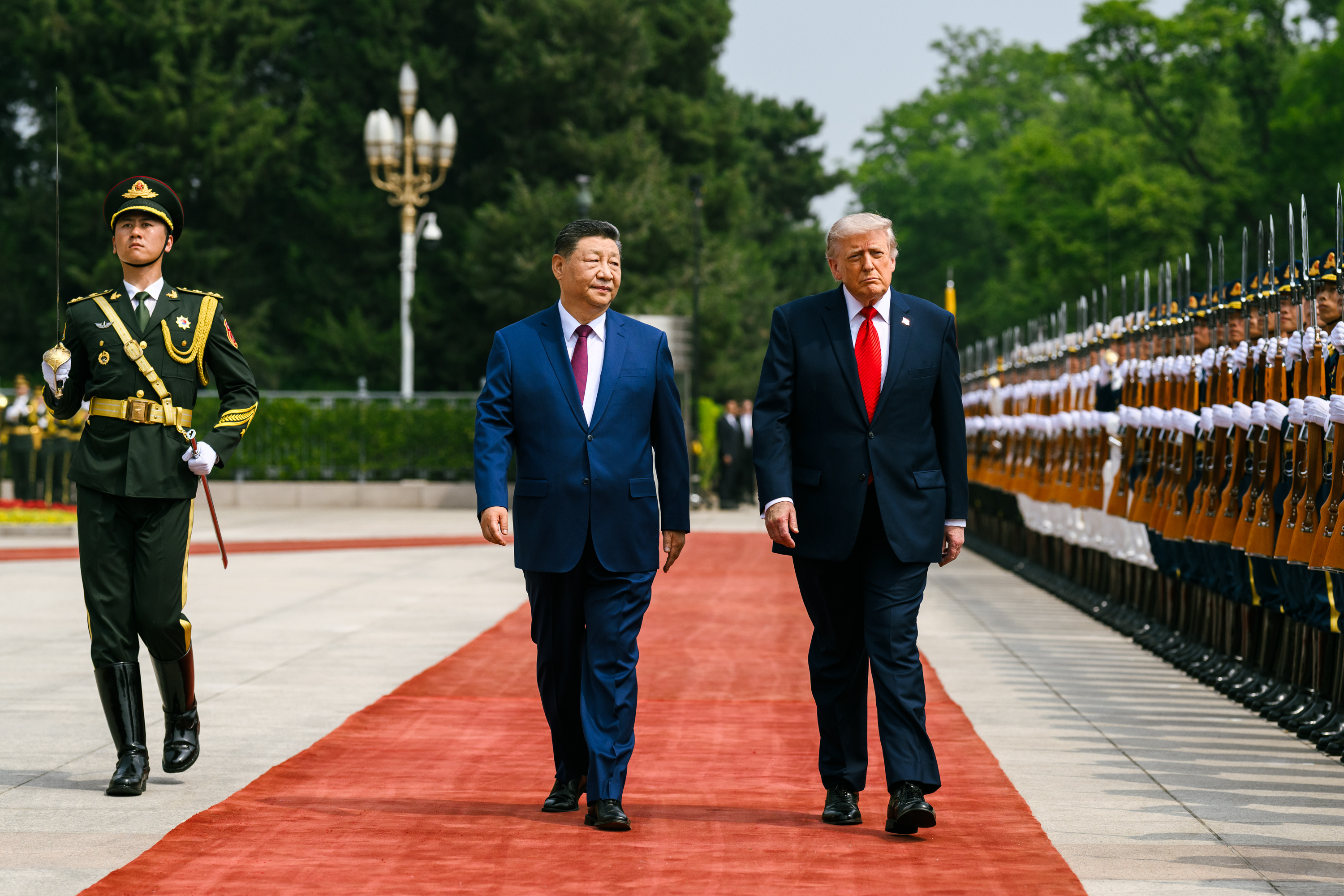
This article examines the May 2026 Beijing summit between Xi...
This article examines how the rise of narcissistic foreign policy—exemplified...
In October 2025, Indonesia's President Prabowo Subianto announced that Portuguese...
This article argues that recent U.S.–Israel military actions against Iran...
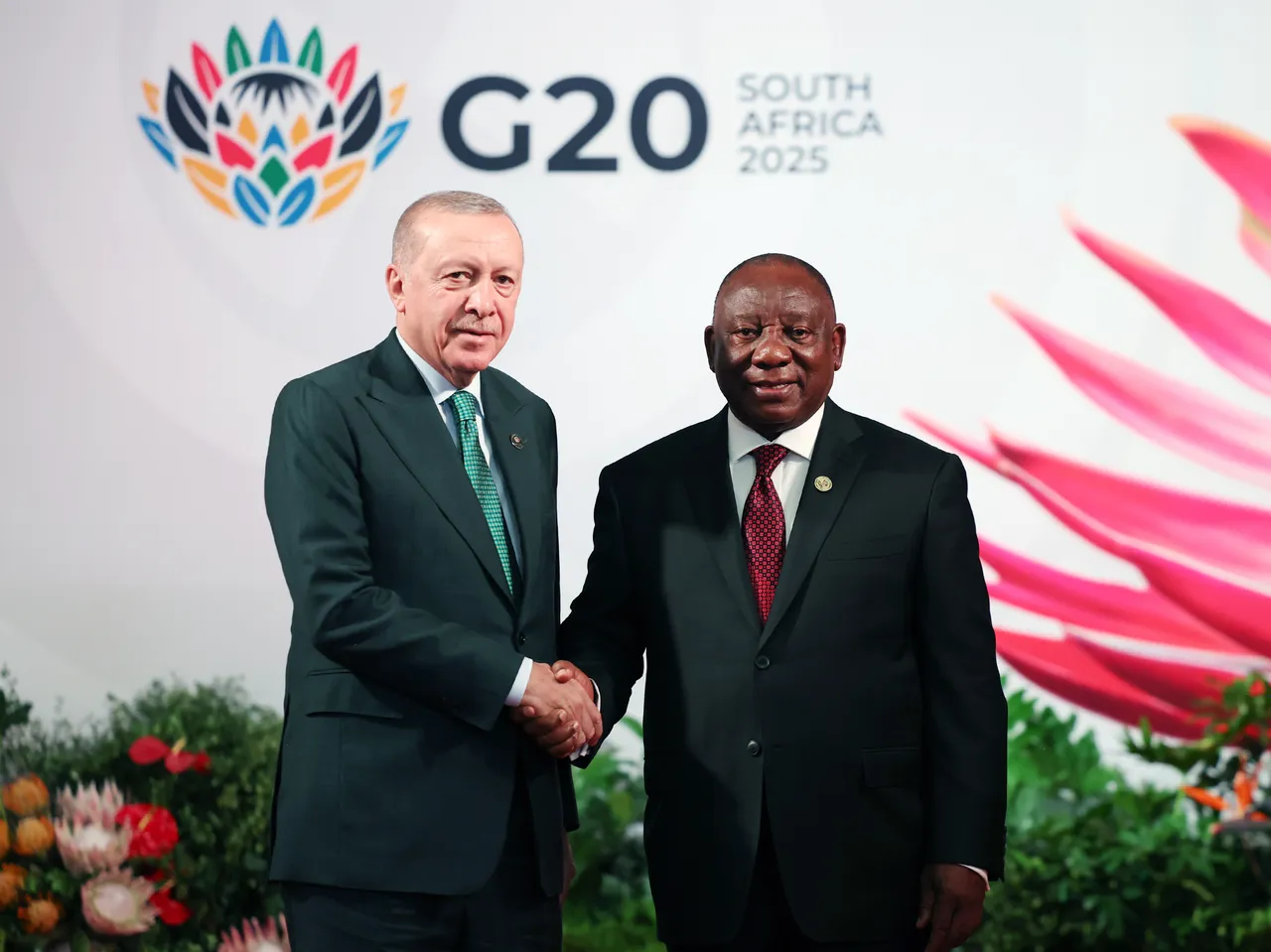
This article examines Türkiye’s evolving "Third Way" in Africa, an...
This article critically examines Indonesia’s evolving role from a quiet...
This article provides a firsthand account of how Pakistan emerged...
This article examines how disruptions in the Strait of Hormuz...
This article examines Indonesia’s participation in the Board of Peace...
This article examines what the attempted sale of CK Hutchison's...
This article examines the Kudankulam Nuclear Power Plant as a...
This article examines Nepal’s strategic position within the Indo-Pacific and...






Leave A Comment