
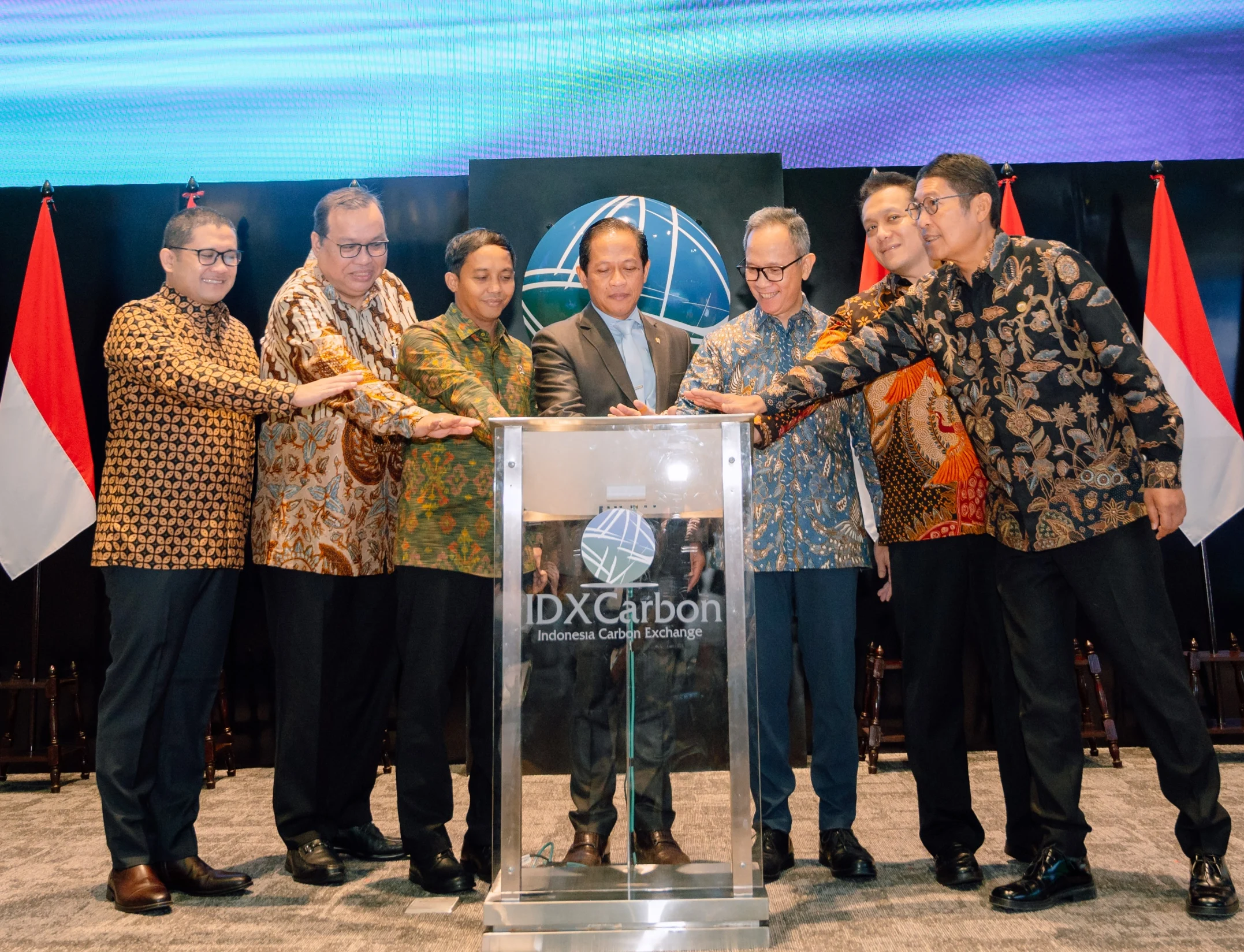
IDXCarbon, Indonesia's carbon trading platform at the Indonesia Stock Exchange. Photo: IDXCarbon – Indonesia Carbon Exchange.
The world is now moving forward to climate technology; nowadays, it shapes global climate diplomacy as a vital asset, but Indonesia is still underdeveloped in this area. Research and development in climate technology tends to be dependent on the global north, and efforts to transfer it to the global south might be complex. Climate technology will potentially be used as a form of diplomatic control.
As one of the prosperous critical-mineral countries, Indonesia still faces the challenge of outdated environmental regulations, the economic dilemma of exploitation for growth, and struggles to meet its climate commitments. This should be a warning to Indonesia to avoid the domination of other countries to Indonesian resources through their control in climate technology.
It will raise the question of why climate technology is shifting as a technological bargaining power in climate diplomacy, and what Indonesia's position has been so far?
Climate diplomacy on technology
The rapid advancement of technology in the global north is entering a new phase in climate responsibility: how we design technology to secure climate commitments and targets. Therefore, the research and development of climate technology mirrors technological advancement, which is led by countries in the Global North and is limited in many countries in the Global South. Climate diplomacy increasingly reflects fundamental principles of technological advancement for climate mitigation and will shape the competition for climate technology.
Climate technology is technology specifically designed to reduce greenhouse gas (GHG) emissions or help adapt to the impacts of climate change. Therefore, the focus of emissions reduction can be directed towards the development of this technology. Countries also need climate technology to accurately predict climate impacts.
Climate technology will be a strategic lever for producer countries to shape the decisions of technology-dependent countries, an area where Indonesia is still lagging behind. Indonesia has opportunities not available in developed countries, such as natural resources that serve as raw materials for high-tech climate technology.
The developed countries might have used their ownership and control over climate technologies to advance their diplomatic interests and to shape their business and control over emerging countries with natural resources, such as in Indonesia.
Some related climate technology efforts occurred in several high- and middle-income countries. In the global north, we have seen the IRA Clean Tech in the US. The Inflation Reduction Act (IRA) of 2022 has allocated approximately $400 billion for decarbonization programs and green technologies in the US through federal tax incentives and grants. These efforts might not have been undertaken by developing countries, including Indonesia, which is still seeking climate finance from developed countries.
While Indonesia is the largest country in nickel production, technological advances in EVs and battery manufacturing dominance are still led by China, giving it strong control over the global nickel market demand. Through the Belt and Road Initiative, China is introducing a three-phase approach to a low-carbon economy, including funding, construction, and operation. It is providing a strong foundation to develop green infrastructure and technology, giving China a position in climate diplomacy through sustainable technology supporting the transition to EVs and Batteries.
In Southeast Asia, we have two experiences operating in the supplementary climate technology space: Malaysia with Chip Production and Singapore with a Green Finance Hub. Malaysia has been pursuing the ambition to lead an ASEAN semiconductor powerhouse. This plan includes efforts to reduce the manufacturing footprint through LEED certification, resulting in higher value-added production through the IC design Park.
In Singapore, the Green Finance Industry Taskforce (GFIT), through the Monetary Authority of Singapore (MAS), has introduced the standard for green bonds and sustainability-linked loans. They are also interested in expanding the transition credits for renewable plant projects across Asia into higher-quality carbon credits.
Every country has defined its position on climate technology, either across the sector or in supporting industries. Indonesia is still lagging, as it focuses on fulfilling its climate commitments and targets through its second NDC, which was reported to the UNFCCC last year, despite possessing both strategic natural resources and geographical advantages. These two things are always disconnected, so Indonesia has not yet defined its position in the dynamics of global climate technology diplomacy.
Indonesia’s position
Even though Indonesia's renewable energy mix is still 17.89% in April 2026, the demand for EVs remains high year-over-year, at around 49%, with Car Sales Jumping 12% as EV demand accelerates. This indicates growing demand for cleaner transportation, an important component of Indonesia’s broader energy transition.
If demand and lifestyle trends for renewable transportation and energy remain consistent year to year, Indonesia, the world's 4th most populous country, will have a significant impact on the world's climate targets.
Indonesia's strength lies in being the hub for carbon credits, ranging from lower-cost transition credits to highly engineered compliance credits. This year marks a milestone for Indonesia as it officially launched it, while the carbon exchange is still under development, with an ambitious plan to launch in June 2026.
However, Indonesia has stalled in implementing a carbon market after three years due to uncertainty. The progress remains good, and this year is projected to mark the point at which Indonesia officially meets the climate action commitment in decarbonization. However, the challenges to achieving its ambitious plan are in Singapore, as it seeks to be a green finance hub for SEA, even for Asia.
In terms of geology and geography, Indonesia has more advantages. Indonesia has the potential to be a carbon capture hub, as it hosts the Sumatra Basin and the Sunda Asri Basin, which have large carbon storage capacity. Also, Indonesia is strong in many decarbonization options, such as forests, mangrove forests, coral reefs, and even atolls, for the decarbonization plan.
The challenges Indonesia may face include technological and research needs in carbon accounting, as it is still in its early stages. To prepare for technological and research progress, human capital should support quality and specialization. This means that Indonesia needs to reshape its human capital strategy to be more specific to climate technology and related sectors. In other countries that do not have the privilege Indonesia does, develop technology and research for decarbonization in the region; Indonesia should take the lead. The foundation of the technology and research must be funding, and that funding must be secured with institutional commitment.
Three points for Indonesia
There are three points to advance Indonesia’s climate diplomacy in the technology sector.
First, human capital investment must be reoriented. Indonesia should reorient human capital investment, especially in higher education, to support climate technology and related supplementary sectors. This includes the STEM and Non-STEM disciplines in Indonesian universities and going abroad. The government must lead this to coordinate investment in human capital.
Second, institutional commitment must be strengthened at both the political and economic levels. Politically, policymakers should adopt a public-management orientation toward supporting climate technology. Economically, incentives and subsidies for climate technology and related sectors should be increased to improve their effectiveness and competitiveness.
Third, funding availability must be expanded. Funding should be provided not only to research institutions but also to think tanks, NGOs, and other communities working on climate technology and related issues. This broader funding base could generate fresh perspectives on knowledge, policy, and development approaches.

Muhamad Ferdy Firmansyah is an Analyst for the Southeast Asia and Oceania Desk at World Order Lab. He graduated from Wageningen University & Research with a specialization in Environmental Policy and Economics. He actively engages with sustainability programs and research at private and public institutions in Indonesia.
In this article, Aniello Iannone critically evaluates the ten-year trajectory...
The global order is moving beyond rigid bloc politics toward...
In this article, Luo Chen Jun highlights a striking historical...
In this article, Muhamad Ferdy Firmansyah highlights how climate technology...
In his latest article, Aniello Iannone examines the gap between...
This article analyzes Indonesia's ambitious military modernization through its strategic...
DeepRare is being hailed as a major breakthrough in the...
This article analyzes President Prabowo’s decision to skip the June...
This article analyzes the phenomenon of "sibling rivalry" at the...
This article evaluates the normative frameworks offered by China’s four...
This article examines the 2025 Thailand–Cambodia border conflict to evaluate...
This article examines the May 2026 ASEAN Summit in Cebu...
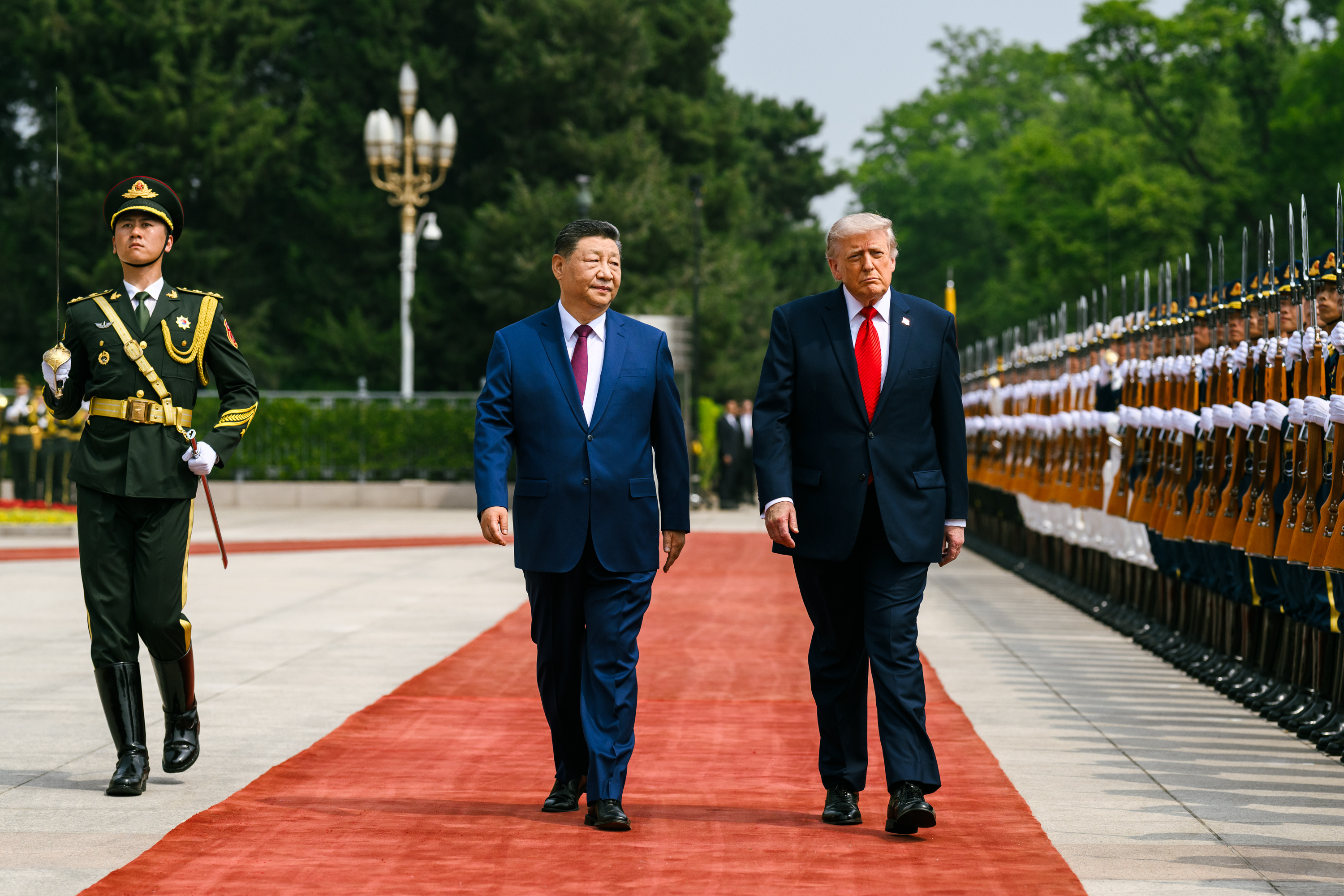
This article examines the May 2026 Beijing summit between Xi...
This article examines how the rise of narcissistic foreign policy—exemplified...
In October 2025, Indonesia's President Prabowo Subianto announced that Portuguese...
This article argues that recent U.S.–Israel military actions against Iran...
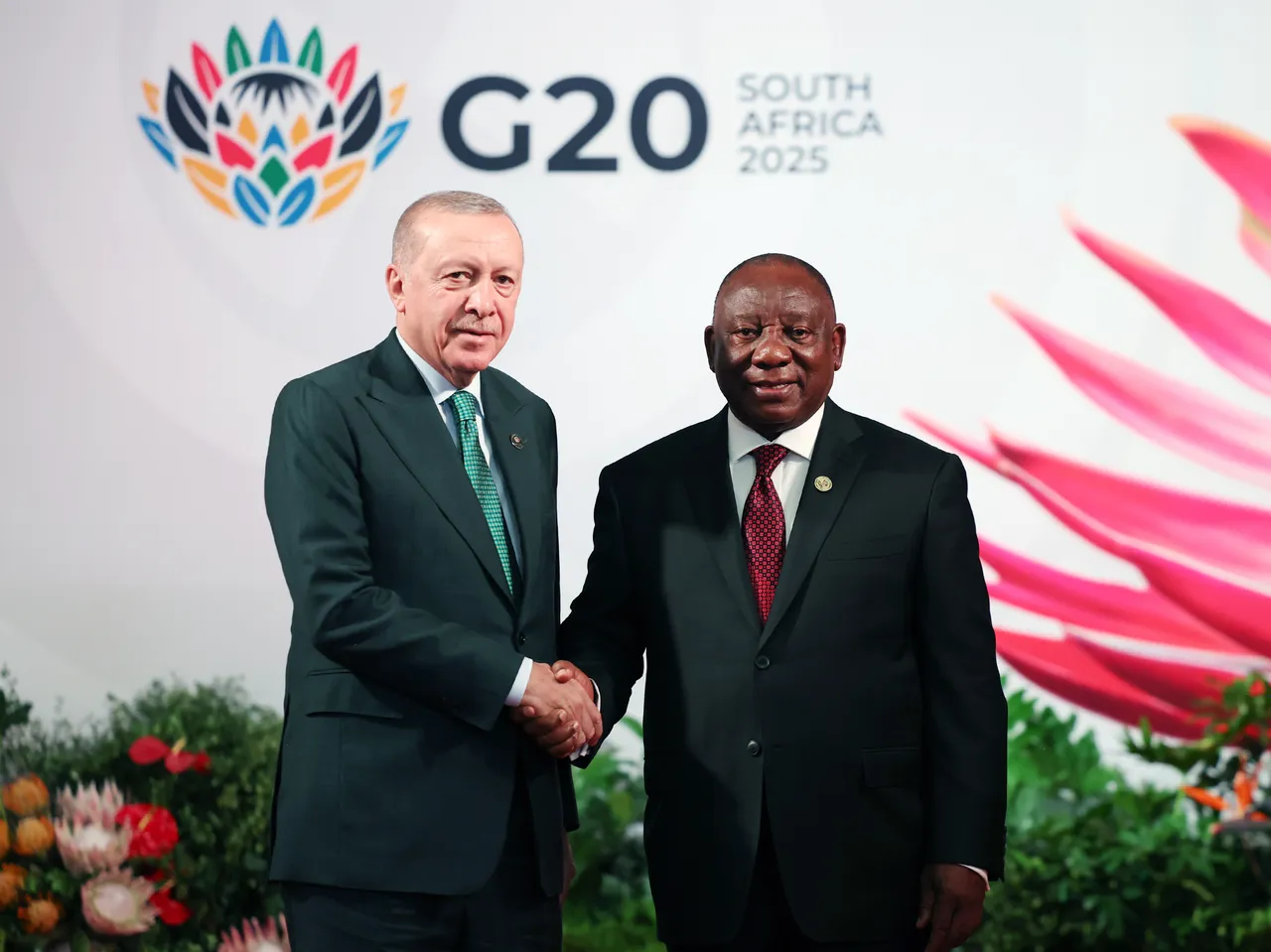
This article examines Türkiye’s evolving "Third Way" in Africa, an...
This article critically examines Indonesia’s evolving role from a quiet...
This article provides a firsthand account of how Pakistan emerged...
This article examines how disruptions in the Strait of Hormuz...
This article examines Indonesia’s participation in the Board of Peace...
This article examines what the attempted sale of CK Hutchison's...
This article examines the Kudankulam Nuclear Power Plant as a...
This article examines Nepal’s strategic position within the Indo-Pacific and...










Leave A Comment