
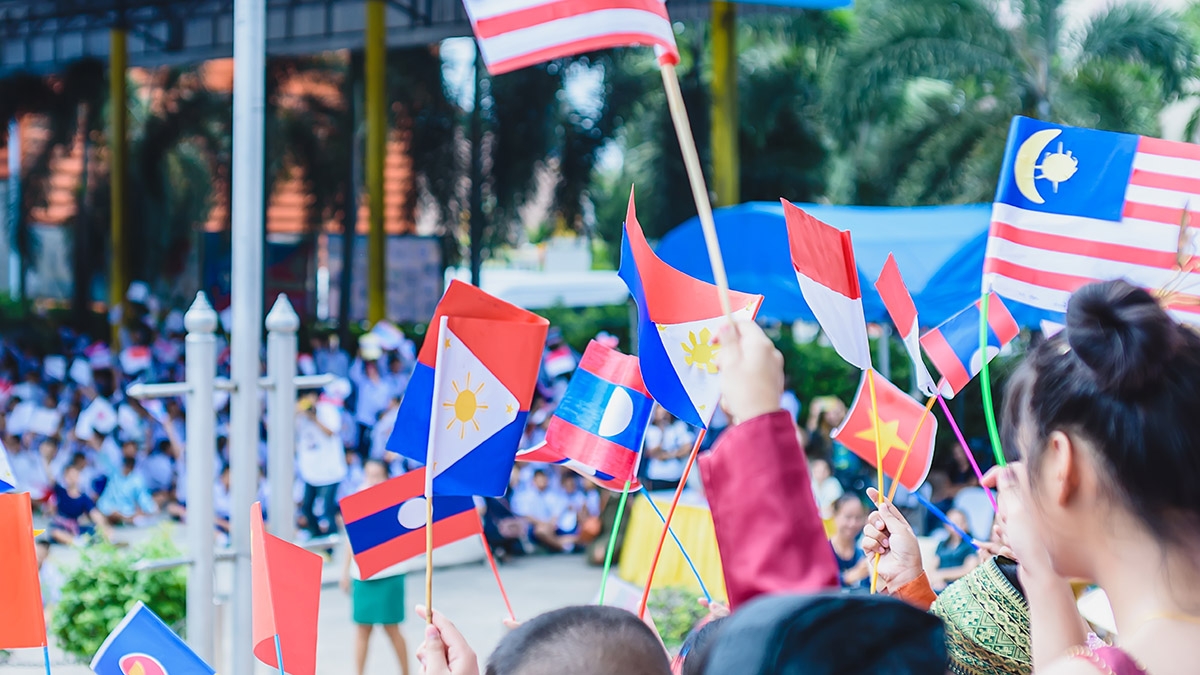
Participants at a Southeast Asian community event. Photo credit: Miraclebuggy / Adobe Stock.
Since its establishment in 1967, the Association of Southeast Asian Nations (ASEAN) has sought to build a regional identity that is able to unite political, cultural, religious, and ethnic diversity in Southeast Asia. Initiatives such as the ASEAN Community, ASEAN Identity, and people-to-people connectivity programs are designed to strengthen a sense of togetherness as a regional family. However, behind the official narrative of regional unity, there is still a grassroots issue that often goes unnoticed, namely the phenomenon of sibling rivalry or rivalry between ASEAN peoples.
This phenomenon can be understood as the tendency of people in ASEAN countries to think of neighboring countries as “brothers”, but at the same time refuse to be equated or aligned with them. In various social media discussions, sports competitions, cultural claims, and the issue of migrant labor, there is often a sentiment that an ASEAN country is more advanced, more modern, or superior than other ASEAN countries. This creates a contradiction, where ASEAN is often promoted as a big Southeast Asian family, but the “brothers” are often involved in intense identity competition.
The main problem at the ASEAN grassroots level is that there is still weak people-to-people connectivity. Although the governments of ASEAN countries have established various forms of economic, political, and security cooperation, relations between citizens in the region are still relatively limited. Many ASEAN people are more familiar with the culture, products, or development of Western and East Asian countries than their own neighbors in Southeast Asia.
ASEAN as a multicultural community
Southeast Asia is one of the most multicultural regions in the world. It contains hundreds of ethnic groups, various major world religions, different political systems, and uneven levels of economic development. Countries like Singapore have a much higher per capita income than Cambodia or Laos. Meanwhile, countries such as Indonesia, Malaysia, and Brunei Darussalam have a Muslim majority, while Thailand and Myanmar are dominated by Buddhists.
When viewed from the perspective of multiculturalism, this diversity is not an obstacle, but a source of social strength. Multiculturalism encourages the recognition of different identities without eliminating those identities. So it can be said that a person can become an Indonesian citizen as well as part of the ASEAN community without having to lose his national identity. However, challenges arise when national identity develops competitively. Many ASEAN people still see the success of neighboring countries as a threat to national prestige. As a result, diversity, which should be the foundation of multiculturalism, has turned into an arena of social comparison.
The most obvious example can be seen in the cultural competition between Indonesia and Malaysia related to batik, rendang, or Malay culture. On social media, discussions about culture often turn into debates about who “owns” a cultural heritage. A similar phenomenon also appears in football competitions between Indonesia, Thailand, Vietnam, and Malaysia which often give rise to excessive nationalistic sentiments. This condition shows that ASEAN multiculturalism has not fully developed into the collective consciousness of the region. National identity is still much more dominant than ASEAN regional identity.
ASEANization and its limitations
The concept of ASEANization refers to the process of internalizing ASEAN values, norms, and identity by communities and member countries. If Europeanization in Europe succeeds in creating a relatively strong supranational identity, ASEANization aims to build awareness that Southeast Asian peoples have common interests and destiny. ASEAN has been working to strengthen ASEANization through various educational programs, student exchanges, ASEAN Youth Programs, ASEAN University Network, and the promotion of ASEAN symbols. However, the results are still limited.
Southeast Asian people recognize national identity more than ASEAN identity. Most ASEAN citizens do not even understand the organization’s purpose in depth. ASEAN is still often seen as a project of political elites and bureaucrats, not a community project. For example, Singapore’s economic progress is often a benchmark that gives rise to a sense of inferiority or superiority in other countries. Similarly, the success of Vietnam’s electronics industry, Thailand’s tourism sector, or Malaysia’s halal industry is often viewed in the context of national competition, rather than the collective success of the region. As a result, ASEANization is slow because the identity of “we as ASEAN” is less strong than the identity of “we are different from other ASEAN countries.”
Uniquely, ASEAN communities will unite when external parties from outside the region disturb them. For example, the phenomenon of Southeast Asian netizens uniting, which ultimately gave rise to the term SEAblings, was triggered by South Korean netizens (Knetz) who promoted derogatory narratives. However, this was merely a reactive response, not a unifying force for ASEAN communities.
The phenomenon of sibling rivalry arises because ASEAN people build their identity through a process of differentiation. They feel the need to show that their country has certain advantages over other ASEAN countries. Thus, national identity acquires legitimacy through comparison with its regional “brother”. From the perspective of constructivism, such rivalry is not something natural. It is the result of a social construction that continues to be reproduced through education, mass media, historical narratives, and digital interactions. If the social construction changes, then the pattern of relations between ASEAN peoples can also change. Therefore, the solution to sibling rivalry is not enough through economic integration alone. What is needed is a transformation of social identity that makes people see the success of other ASEAN countries as the success of the region.
Failure to address this grassroots rivalry risks undermining the very foundations of ASEAN integration by eroding regional solidarity and alienating the public from the regional project. This fragmentation is further exacerbated by the rapid proliferation of cultural and digital conflicts, where disputes over national identity and heritage are amplified through social media, ultimately damaging interpersonal relations between communities. Beyond these social tensions, the persistent negative sentiment toward fellow ASEAN citizens creates tangible barriers to regional mobility, hindering essential collaboration in education, labor, and cultural exchange. Ultimately, this excessive internal competition weakens the region's collective leverage, leaving ASEAN increasingly vulnerable and less capable of navigating the complex rivalries between major global powers like the United States and China.
Therefore, ASEAN must take multiculturalism, regional education, and people-to-people interaction seriously. Only then can it build a stronger collective identity, so that the concept of “One Vision, One Identity, One Community” becomes a living reality at the grassroots level, not only an elite slogan.

Abdullah Akbar Rafsanjani is an international relations student at Universitas Kristen Indonesia and mainly discuss about security issues and foreign relations.
In this article, Aniello Iannone critically evaluates the ten-year trajectory...
The global order is moving beyond rigid bloc politics toward...
In this article, Luo Chen Jun highlights a striking historical...
In this article, Muhamad Ferdy Firmansyah highlights how climate technology...
In his latest article, Aniello Iannone examines the gap between...
This article analyzes Indonesia's ambitious military modernization through its strategic...
DeepRare is being hailed as a major breakthrough in the...
This article analyzes President Prabowo’s decision to skip the June...
This article analyzes the phenomenon of "sibling rivalry" at the...
This article evaluates the normative frameworks offered by China’s four...
This article examines the 2025 Thailand–Cambodia border conflict to evaluate...
This article examines the May 2026 ASEAN Summit in Cebu...
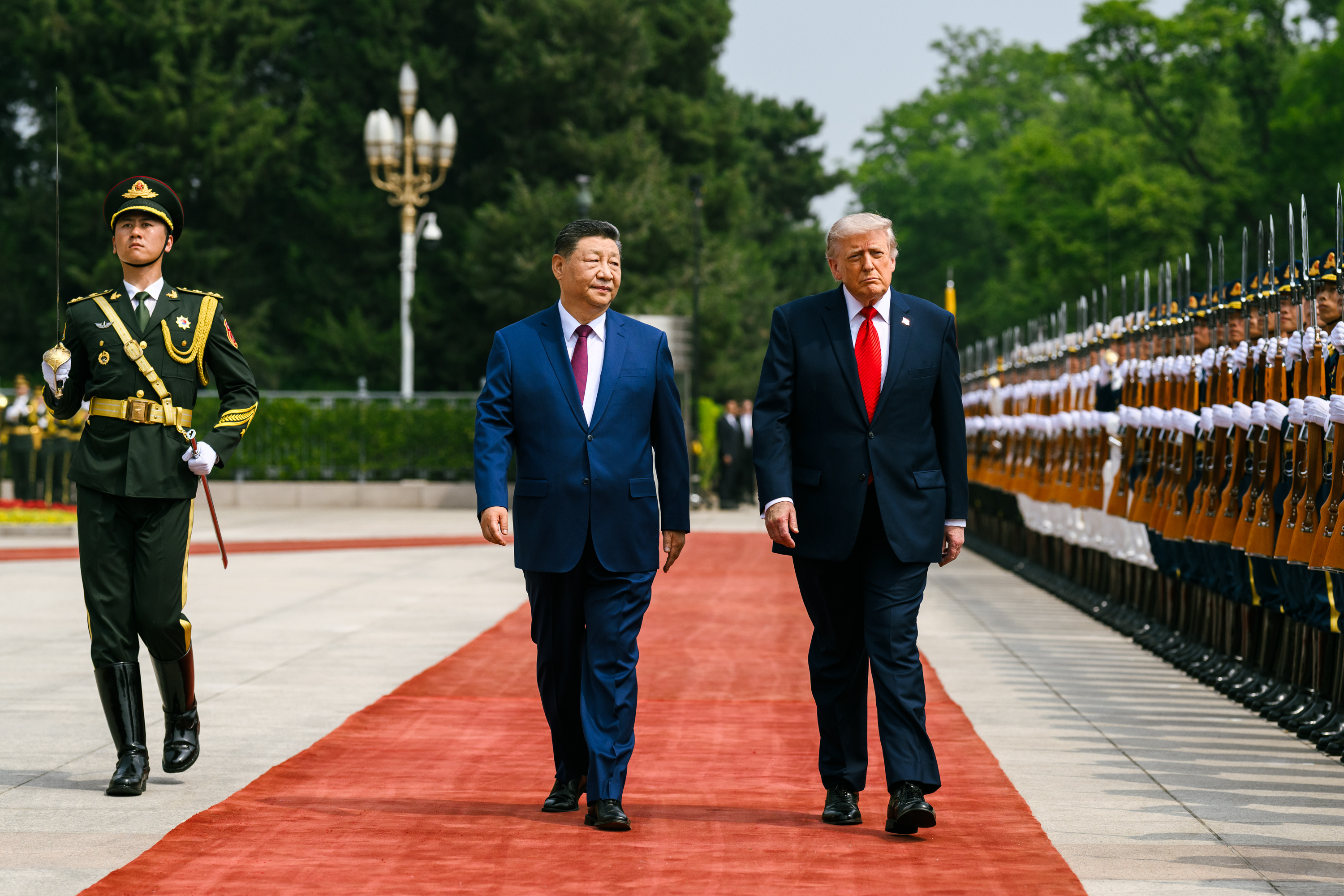
This article examines the May 2026 Beijing summit between Xi...
This article examines how the rise of narcissistic foreign policy—exemplified...
In October 2025, Indonesia's President Prabowo Subianto announced that Portuguese...
This article argues that recent U.S.–Israel military actions against Iran...
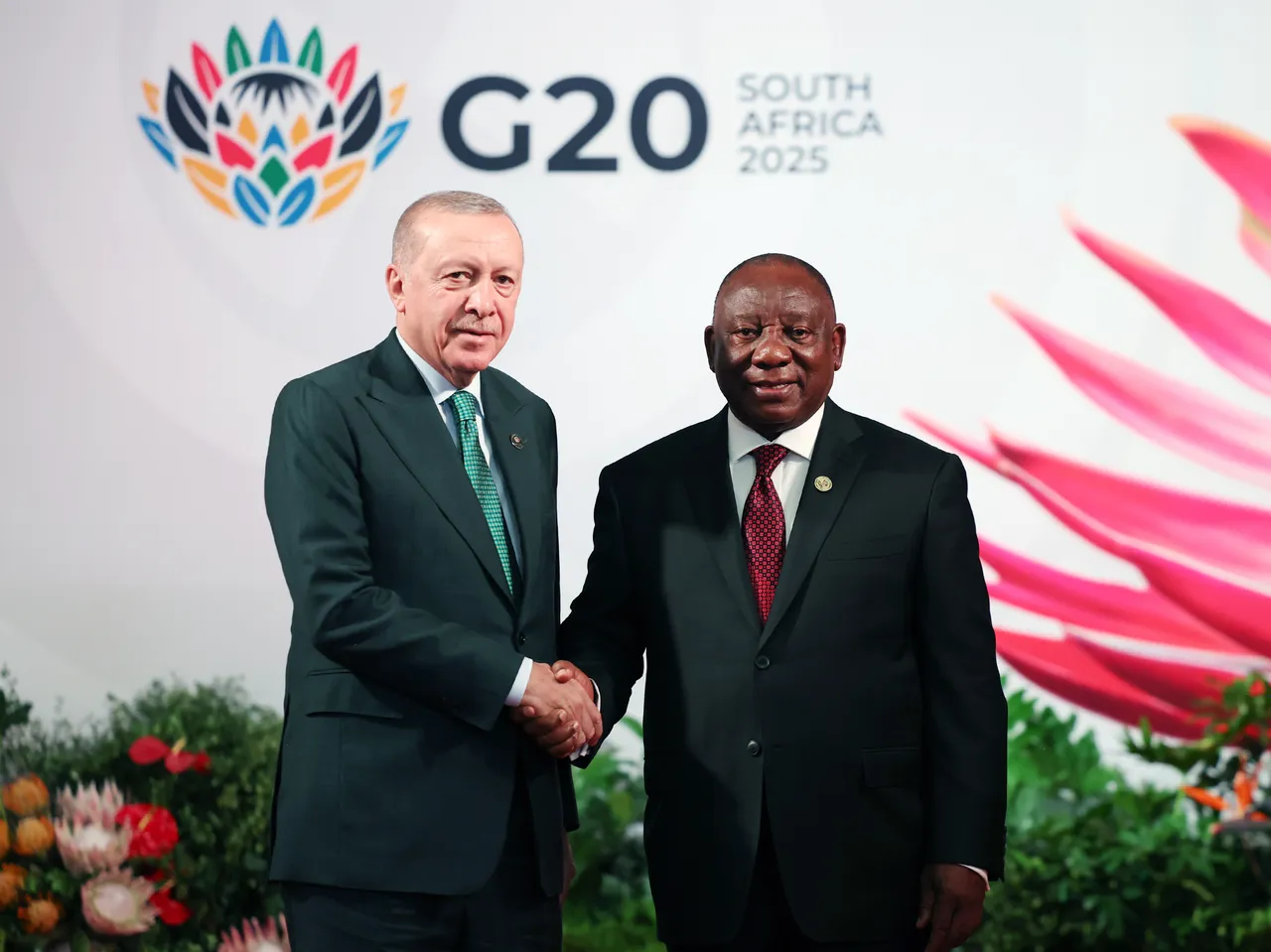
This article examines Türkiye’s evolving "Third Way" in Africa, an...
This article critically examines Indonesia’s evolving role from a quiet...
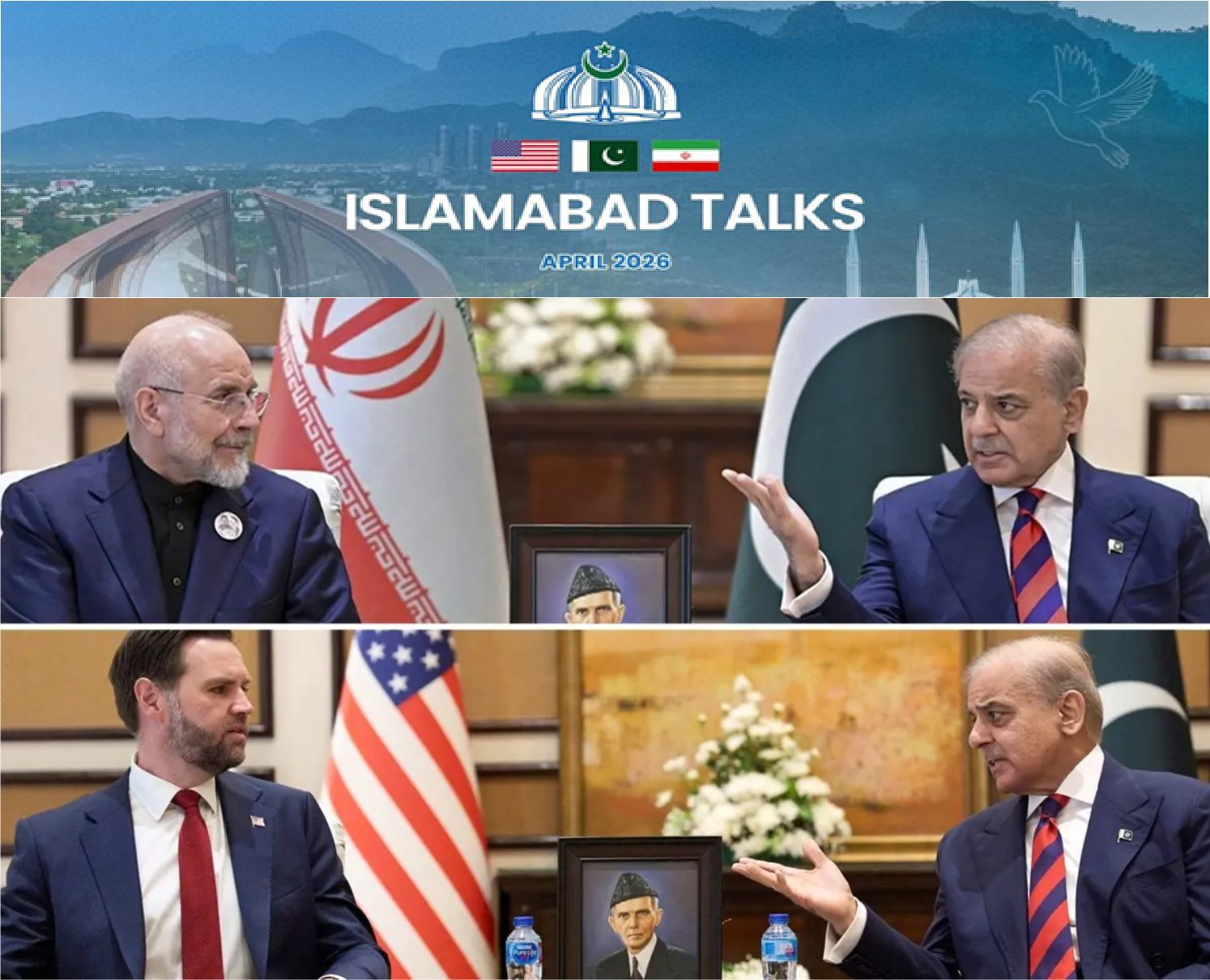
This article provides a firsthand account of how Pakistan emerged...
This article examines how disruptions in the Strait of Hormuz...
This article examines Indonesia’s participation in the Board of Peace...
This article examines what the attempted sale of CK Hutchison's...
This article examines the Kudankulam Nuclear Power Plant as a...
This article examines Nepal’s strategic position within the Indo-Pacific and...








Leave A Comment